Spanish
Taste, say and celebrate Mexico, then earn the Mexico stamp in World Explorer.
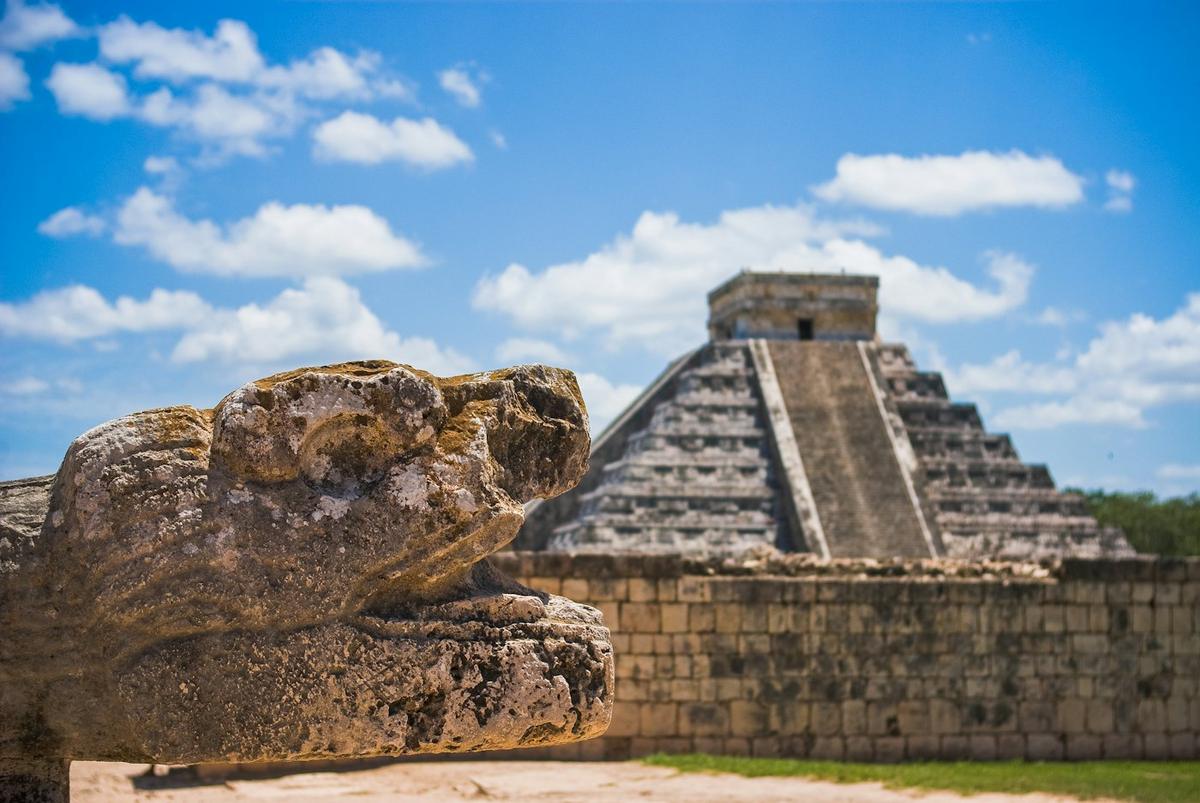
Chichen Itza, Mexico · Photo: Marv Watson / Unsplash
Official name
United Mexican States (Estados Unidos Mexicanos)
Capital
Mexico City (Ciudad de México)
Official language(s)
Spanish (de facto); Indigenous languages are recognised as national languages
Currency
Mexican peso (MXN)
Common greeting
Hola; Buenos días
Calling code
+52
Time zone(s)
Four zones, from UTC−8 (north-west) to UTC−5 (south-east); most of the country stopped using daylight saving in 2022
Sources: Mexico – Wikipedia, Time in Mexico – Wikipedia, List of country calling codes – Wikipedia, ISO 4217 currency codes – SIX Group, Gobierno de México
Mexico is home to around 130 million people, dozens of Indigenous languages alongside Spanish, and landscapes that run from desert to rainforest and from Pacific beaches to high mountain cities. Customs in Mexico City, Oaxaca, the Yucatán and the northern states differ, and so do the habits of rural communities and urban professionals. This page is a starting point for visitors, colleagues, classmates and neighbours, not a rulebook.
In business and formal settings a handshake is usual. Among friends and family, women commonly greet with a single kiss on the cheek, and men with a handshake or an abrazo, a hug with a pat on the back. When you enter a room, greet everyone present, and say mucho gusto when introduced. Use buenos días until around midday, then buenas tardes.
Titles carry weight. Señor and señora are standard, licenciado or ingeniero are used for people with those degrees, and usted stays in place until someone invites you to use tú. A few minutes of conversation about family, travel or food usually comes before any business.
Time is flexible socially. For a party, arriving thirty minutes after the stated hour is normal, while an invitation marked hora inglesa asks for English-style punctuality. Business meetings and ceremonies expect you to be on time even if others drift in later.
Hospitality is generous and sometimes insistent: hosts will offer more food, and a polite refusal may be repeated once or twice. If you visit a home, bring flowers, pastries or a bottle of something to share. Directness is often softened, so listen to tone and context, and remember that individuals vary as much as regions do.
Mexican food is many regional cuisines, which UNESCO recognised as intangible heritage in 2010. Maize, beans and chile are the base, but Oaxaca’s moles, Puebla’s mole poblano, the Yucatán’s cochinita pibil and the grilled meats of the north taste very different. The main meal, la comida, is usually mid-afternoon, and dinner is often light.
Tacos are eaten with the hands, and salsas are served on the side so you can choose your own heat. Say provecho to people who are eating, expect lingering at the table after the meal, the sobremesa, and let the host start before you do. Restaurant tips of ten to fifteen percent are customary; if a host insists on paying, thank them and offer to return the invitation.
Día de Muertos, on 1 and 2 November, is a family occasion of ofrendas, marigolds and favourite foods for relatives who have died; it is not a Mexican Halloween. El Grito and Independence Day mark the 1810 call to independence on the night of 15 September, with the national day on the 16th.
The year holds more: the posadas of 16 to 24 December, Candelaria on 2 February with tamales, and local patron saint fiestas in almost every town. Cinco de Mayo recalls the Battle of Puebla of 1862 and is observed mainly in Puebla, not as Independence Day.
Marriage becomes official at the civil registry, and many couples add a religious ceremony. Padrinos and madrinas sponsor parts of the day, and the party runs late. Our guest’s guide to a Mexican wedding explains the lazo, the arras and what to bring.
Relationships often come before tasks. Take time over introductions, ask about a colleague’s family, and expect lunch to be a social break rather than a desk meal. Seniority matters in many workplaces: decisions may rest with managers, so find out who decides, and address people by title until invited otherwise.
Criticism is usually given privately and gently, so ask clear follow-up questions if feedback sounds vague. Words such as ahorita can mean soon or later, so agree dates in writing in a friendly way. Classmates often balance study with family duties; shared study sessions and a few words of Spanish go a long way.
Not for every situation, since English is common in tourist areas and international companies, but Spanish is the shared language almost everywhere. Even basic greetings are appreciated.
For a party, arriving a little after the stated time is normal. For work meetings, ceremonies and invitations marked hora inglesa, be on time.
Día de Muertos honours deceased relatives with ofrendas, flowers and shared food, and it has roots in Indigenous and Catholic traditions. Halloween is a separate celebration.
Yes. Ten to fifteen percent is customary in restaurants, and small tips are usual for guides, porters and drivers.
World Explorer
Families who would like to explore Mexico through short games can try the Culture XI World Explorer app.