Arabic
Taste, say and celebrate Saudi Arabia, then earn the Saudi Arabia stamp in World Explorer.
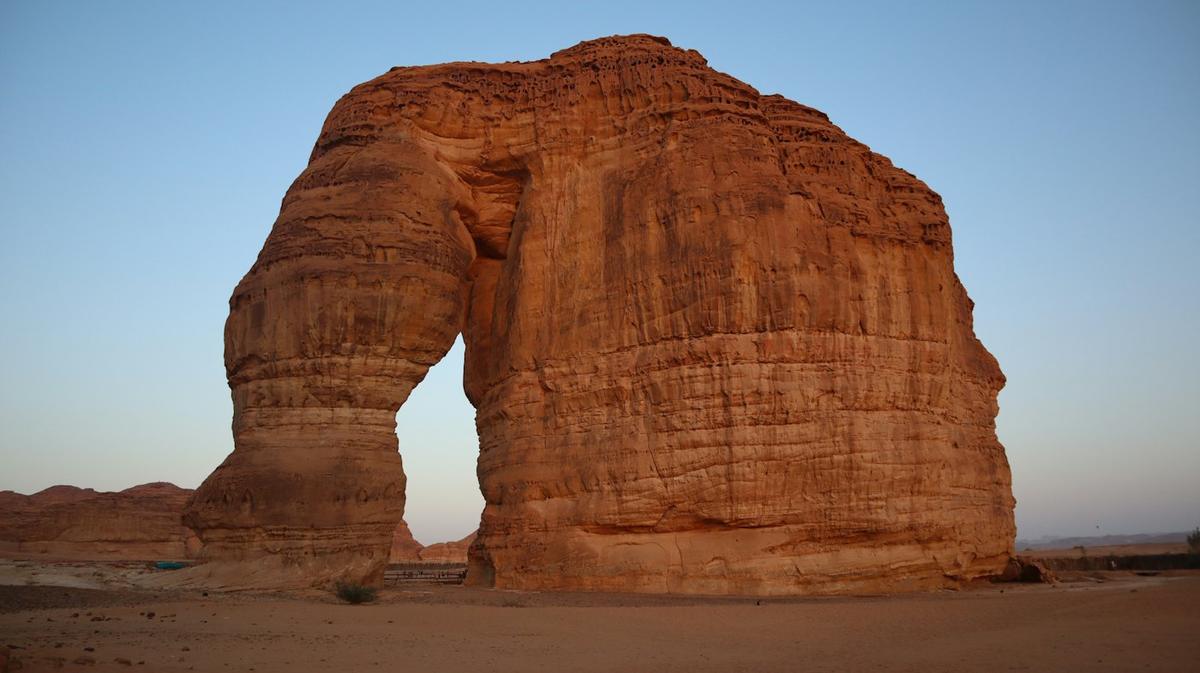
Elephant Rock, AlUla, Saudi Arabia · Photo: Hatem Boukhit / Unsplash
Official name
Kingdom of Saudi Arabia (المملكة العربية السعودية)
Capital
Riyadh
Official language(s)
Arabic
Currency
Saudi riyal (SAR)
Common greeting
As-salāmu ʿalaykum (السلام عليكم); reply: Wa ʿalaykum as-salām
Calling code
+966
Time zone(s)
Arabia Standard Time (UTC+3) all year; no daylight saving
Sources: Saudi Arabia – Wikipedia, Time in Saudi Arabia – Wikipedia, List of country calling codes – Wikipedia, ISO 4217 currency codes – SIX Group, Basic Law of Saudi Arabia (2013) – Constitute Project
Saudi Arabia occupies most of the Arabian Peninsula and is home to about 35 million people, including millions of expatriate workers from South Asia, the Arab world, Africa and the Philippines. Arabic is the official language and Islam is the state religion, with Mecca and Medina the holiest cities for Muslims worldwide. Life differs between the Hejaz on the Red Sea, the central Najd around Riyadh, the Asir mountains, the Eastern Province and the north, and the country is changing quickly under its Vision 2030 reforms.
The Islamic greeting “as-salamu alaykum”, peace be upon you, is answered with “wa alaykum as-salam”. Men usually shake hands with men, sometimes holding the handshake while asking about health and family, and close friends may kiss on the cheek or touch noses. With a woman, wait for her to extend her hand; otherwise a nod with a hand on the heart is polite. Use your right hand for handshakes.
People are addressed by title and first name, for example Doctor Khalid or Engineer Sara, and the family name is often not used. Taking time over greetings and enquiring about health and family is part of good manners, and you should not hurry through them.
Hospitality is central. In a home or office, you may be offered Arabic coffee, qahwa, flavoured with cardamom and served with dates; accept it with your right hand and shake the small cup gently when you have had enough. Refusing hospitality outright can offend, so take at least a sip. Visitors dress modestly, with shoulders and knees covered, and many women choose an abaya; follow the lead of your hosts and local colleagues.
Prayer times, five times a day, shape the day, and some shops pause briefly at prayer. Do not point the soles of your feet at others, and avoid public displays of affection. Alcohol and pork are prohibited. During Ramadan, do not eat, drink or smoke in public during daylight hours. Many social events involve separate gatherings for men and women, so ask your hosts what to expect. Ask permission before photographing people.
Saudi food reflects the oases, the desert and the sea. Kabsa, spiced rice with lamb, chicken or fish, is a national favourite, and mandi, slow-cooked meat in an underground oven, is popular across the south. In the Hejaz you find saleeg, a creamy rice dish, and mutabbaq, a stuffed pastry, while jareesh, crushed wheat, and harees are served on festive occasions. Dates are eaten at every opportunity, especially to break the fast.
Guests are often served first, from a shared platter, and eat with the right hand or a spoon. The host may place food in front of you; leaving a little on the plate shows you are satisfied. Meals may start late in the evening, and dinner can follow several rounds of coffee and tea. Tipping about ten percent is common in restaurants, and traditional hospitality means hosts rarely let guests pay.
Eid al-Fitr ends Ramadan with prayers, family visits, sweets and gifts, and several days off work. Saudi National Day on 23 September marks the unification of the Kingdom in 1932, with cultural events, fireworks and green flags.
Eid al-Adha, during the pilgrimage season, is the other major festival, and Ramadan itself brings evening gatherings for iftar, the meal that breaks the fast. Founding Day on 22 February is a more recent holiday.
Saudi weddings are major social events, often held late at night in separate celebrations for men and women. Our guest’s guide to a Saudi wedding explains dress, gifts and timing.
The working week runs from Sunday to Thursday, with Friday and Saturday as the weekend. Relationship building matters, so expect a meeting to start with coffee and general conversation before business. Hierarchy is respected, senior people often make decisions and agreements may take time. “Inshallah”, God willing, can express a real commitment or a polite uncertainty, so confirm timelines and next steps clearly.
Saudi Arabia uses Arabia Standard Time, UTC+3, all year, with no daylight saving. Meetings may be paused for prayer, so allow flexibility, and working hours are shorter during Ramadan. Schedules can change at short notice, so stay patient and keep in touch by WhatsApp, which is widely used. Women are a growing share of the workforce, and teams are often multinational. Avoid commenting on politics or religion, and use the right hand and respectful titles.
Wait for the other person to offer a handshake. If they do not, a nod with a hand on your heart is polite and well understood.
Arabic coffee, lightly roasted and flavoured with cardamom, served in small cups with dates. Shake the cup slightly when you have had enough.
Friday and Saturday. The working week runs from Sunday to Thursday.
World Explorer
Families who want to explore Saudi Arabia through short games can try the Culture XI World Explorer app.