British English
Taste, say and celebrate England, then earn the England stamp in World Explorer 2.
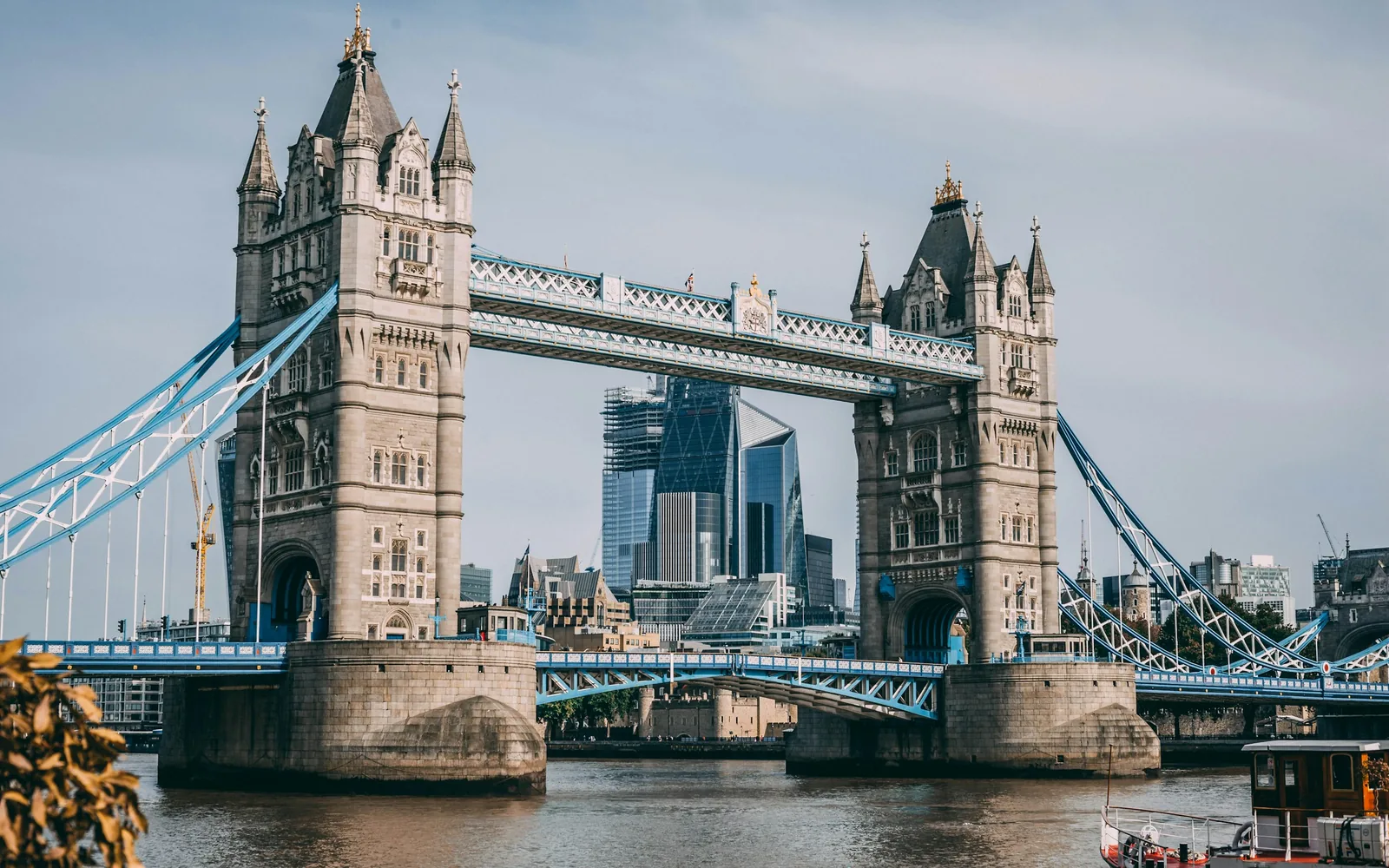
Tower Bridge, London, England · Photo: Charles Postiaux / Unsplash
Official name
England, a country of the United Kingdom of Great Britain and Northern Ireland
Capital
London
Official language(s)
English (de facto)
Currency
Pound sterling (GBP)
Common greeting
Hello; Good morning
Calling code
+44 (United Kingdom code)
Time zone(s)
Greenwich Mean Time (UTC+0); British Summer Time (UTC+1) from late March to late October
Sources: England – Wikipedia, Time in England – Wikipedia, List of country calling codes – Wikipedia, ISO 4217 currency codes – SIX Group, GOV.UK – the UK government portal
England is the largest of the four nations of the United Kingdom, with around 57 million people, and it is not the same as Britain or the UK, a difference many residents care about. London is one of the world’s most diverse cities, while the North, the Midlands, the South West and East Anglia each have their own accents, humour and food. Communities with roots in the Caribbean, South Asia, Ireland, Poland, Africa and many other places have shaped English life for generations, and English itself varies widely in vocabulary and accent.
A handshake is usual in a first meeting, and hugs or cheek kisses are for friends. “Hello”, “nice to meet you” and “how are you?” are standard, and the last is a greeting, not a request for a detailed answer. Say “fine, thanks, and you?”. First names are used quickly, even with managers, though titles are used in formal letters and with doctors, judges or elderly people. Words such as “mate”, “love” or “pal” may be used by strangers in some regions as casual friendliness.
Small talk about the weather, travel or weekend plans is a standard way to start a conversation; avoid asking about salary or personal finances.
Queueing is taken seriously, and cutting in is considered rude. Politeness is expressed with a lot of “please”, “thank you”, “sorry” and “excuse me”, and English people may apologise when someone else bumps into them. Humour is often ironic and understated: “not bad” may mean good, and “quite interesting” may not be a compliment.
In a pub you usually order and pay at the bar, and taking turns to buy a round for the group is customary. A service charge of 10 to 12.5 percent is often added to restaurant bills in England, so check before tipping again. Arrive on time for meetings, a little after for an informal house party, and bring a bottle, flowers or chocolate when invited for dinner. Remove shoes at home if you see others doing so.
Traditional dishes include the Sunday roast, with meat, roast potatoes, vegetables and Yorkshire pudding, fish and chips, the full English breakfast, pies, and Cornish pasties from the South West. Afternoon tea with scones, jam and cream is a treat, and tea with milk is the everyday drink. Puddings range from sticky toffee to crumble with custard, and cheeses such as Cheddar, Stilton and Wensleydale are valued.
Indian, Chinese, Caribbean, Turkish and Italian restaurants are part of ordinary eating out, and curry is a popular takeaway. Use knife and fork in the usual way, wait for everyone to be served before starting, and say “cheers” when clinking glasses. Hosts will usually ask about dietary needs, and vegetarian and vegan meals are common.
Bonfire Night on 5 November recalls the Gunpowder Plot of 1605 with bonfires, fireworks and toffee apples. May Day celebrates spring with maypoles, Morris dancing and processions, and the early May bank holiday gives a long weekend.
Christmas, Boxing Day, Easter, Remembrance Sunday with its red poppies, and the Notting Hill Carnival in August are other fixtures, as are Diwali in Leicester and Eid celebrations in many cities.
English weddings range from church services to country-house parties. Our guest’s guide to an English wedding covers dress, gifts and speeches.
English workplaces often combine politeness with indirectness. A suggestion such as “you might want to consider” can mean “please change this”, and “I’ll bear it in mind” can mean no. Ask clarifying questions, and look for what is not said. Meetings start on time, with a few minutes of small talk first, and humour and friendly teasing are common, as are after-work drinks, though you can always decline politely.
England uses Greenwich Mean Time in winter and British Summer Time from late March to late October. Employees are entitled to at least 5.6 weeks of paid leave a year, which can include public holidays, and many take a summer break in July or August. Bank holidays differ in Scotland, Wales and Northern Ireland. Written follow-up by email is expected, and most organisations value clear, friendly emails with a polite greeting and sign-off.
No. England is one of four nations in the UK, with Scotland, Wales and Northern Ireland. Many people prefer you to say which one you mean.
Around 10 to 12.5 percent is customary in restaurants with table service, but check whether a service charge is already included. Tipping in pubs is not expected.
It is a greeting. A short reply such as “fine, thanks, you?” is the usual answer, not a long story.
Be on time for work and appointments. For a dinner at home, ten to fifteen minutes late is acceptable.
World Explorer
Families who want to explore England through short games can try the Culture XI World Explorer app.