Spring festival
May Day welcomes spring in England with maypoles, Morris dancing and the crowning of a May Queen, traditions that go back centuries and are still kept alive in towns and villages.
May Day in England is the spring festival held on 1 May, with maypole dancing, Morris dancing and the crowning of a May Queen in towns and villages. Many events take place on the early May bank holiday, the first Monday in May, which is a separate fixed rule. One well-known custom is May Morning in Oxford, where choristers sing from Magdalen Tower at dawn on 1 May. Readers abroad often associate 1 May with International Workers’ Day, which is also observed in many countries; the English folk customs are older and unrelated to it.
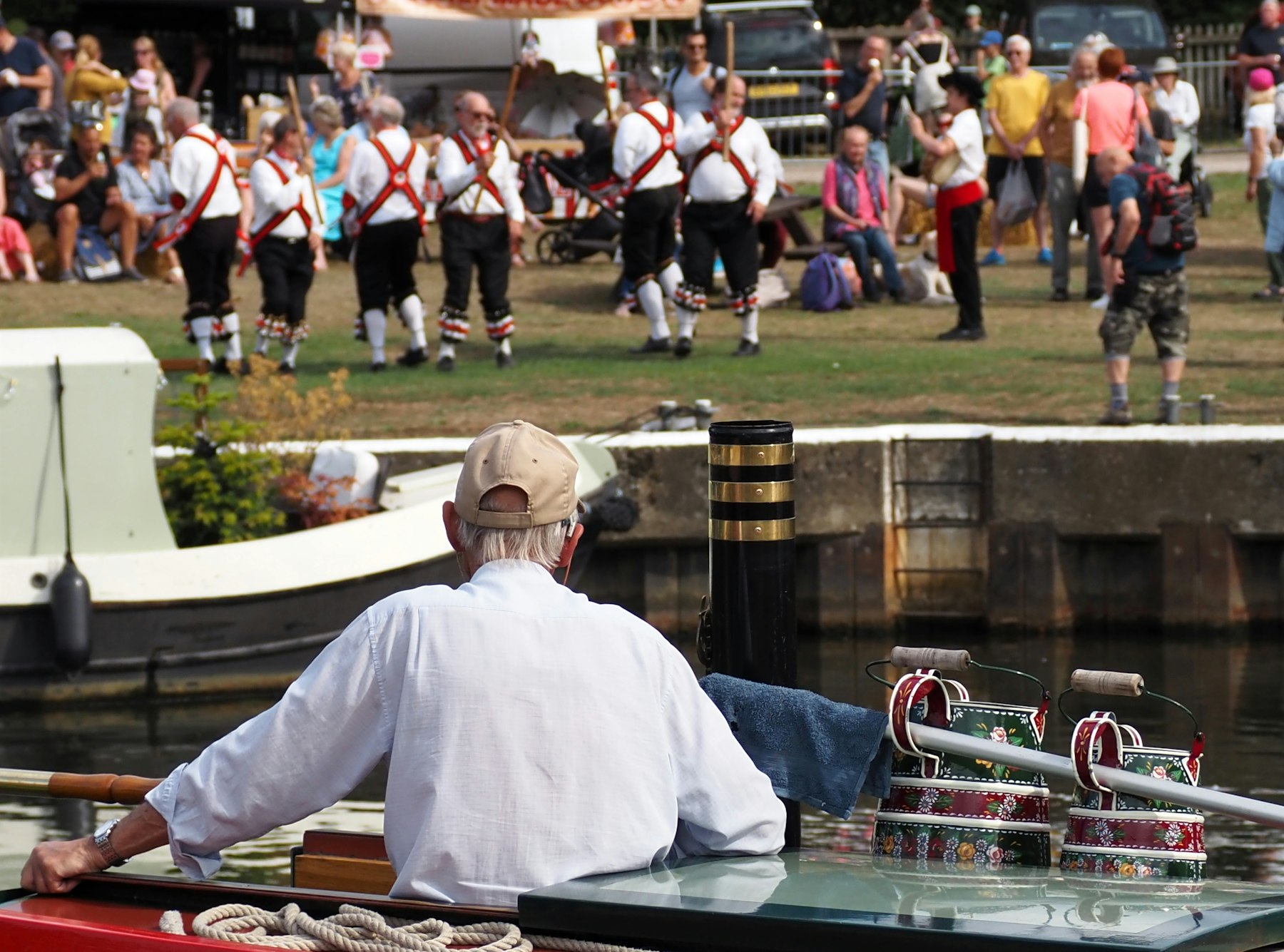
Photo: Walter Bonnici / Unsplash
1 May, and the early May bank holiday on the first Monday in May
In towns and villages across England, from Oxford to Padstow in Cornwall.
Watch maypole and Morris dancing, see a May Queen crowned or hear the May Morning singing in Oxford.
Happy May Day!: a spring greeting
May Day, on 1 May, has long marked the arrival of spring. Customs associated with it include gathering green branches and wildflowers to decorate buildings, known as bringing in the May, crowning a May Queen, and dancing around a maypole. In England, traditional celebrations centre on the May Queen and the maypole, around which dancers often circle with ribbons, and Morris dancing is often part of the day. The earliest records of maypole celebrations date from the 14th century, and by the 15th century the tradition was well established in southern Britain. In 1515, King Henry VIII and Catherine of Aragon rode out from Greenwich Palace for a “Maying” with a breakfast in the woods, a pageant and dancing. May Day was banned by Puritan parliaments in the mid-17th century but was restored in 1660.
Many towns and villages keep their May Day traditions alive, some with records going back more than a century, such as Ickwell in Bedfordshire and Knutsford in Cheshire. In Oxford, it is a centuries-old tradition for people to gather below the Great Tower of Magdalen College at 6am on May Morning to hear the college choir sing. In Padstow in Cornwall, the ’Obby ’Oss, a hobby horse, dances through streets decorated with spring greenery, accompanied by accordion players and followers dressed in white with red or blue sashes, and thousands of people come to watch. In some places, Jack in the Green, a folk figure covered in greenery, parades through the streets with musicians. England also has an early May bank holiday on the first Monday in May, when some local celebrations take place, such as the Flower Boat Ritual in the Cornish villages of Kingsand and Cawsand. Customs vary from place to place, and many communities have revived their celebrations.
Welcome May at home:
On the App Store now. Coming soon on Google Play.
Popular events such as May Morning in Oxford and ’Obby ’Oss day in Padstow draw big crowds, so arrive early. In Oxford, never jump from Magdalen Bridge: the water below is shallow and people have been seriously injured.
Prepared with AI assistance and reviewed by the Culture XI Editorial Team.
Written by
Culture XI Editorial TeamThe Culture XI Editorial Team researches and writes our guides to cultures, celebrations, weddings and cultural intelligence. Each article draws on published research and reputable sources, which we cite on the page. We update articles when we find newer or better sources.
Traditionally on 1 May. England’s early May bank holiday falls on the first Monday in May.
A tall pole around which people dance to celebrate spring, often weaving ribbons as they circle.
A traditional English folk dance that is often performed as part of May Day celebrations.
Both fall on 1 May, but they are different traditions. English May Day customs are seasonal folk traditions; International Workers’ Day is a labour holiday observed in many countries. England’s bank holiday is on the first Monday in May, not on 1 May itself.