Spanish
Taste, say and celebrate Venezuela, then earn the Venezuela stamp in World Explorer 2.
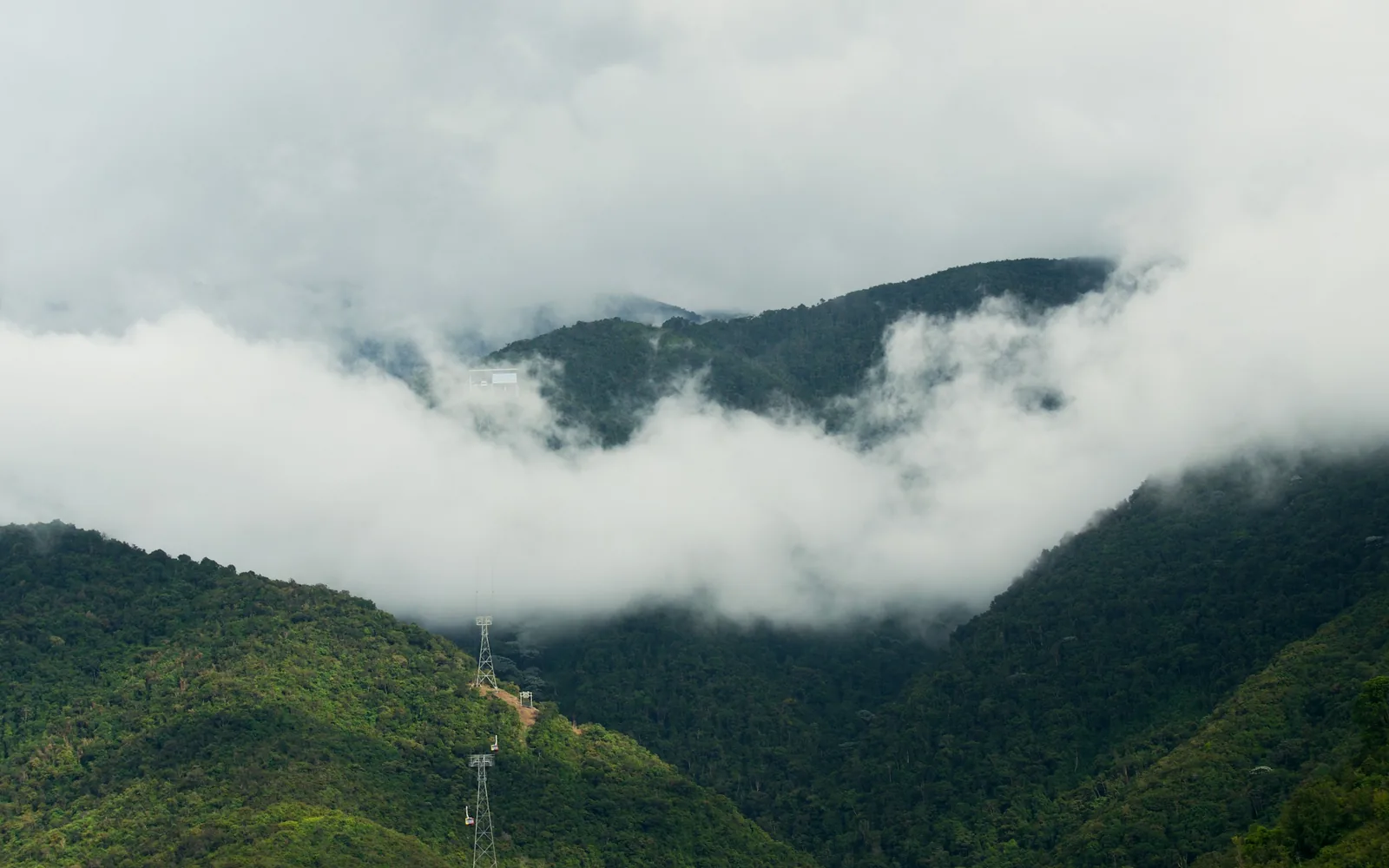
The Andes near Mérida, Venezuela · Photo: Pedro Romero / Unsplash
Official name
Bolivarian Republic of Venezuela (República Bolivariana de Venezuela)
Capital
Caracas
Official language(s)
Spanish; Indigenous languages are also officially recognised for Indigenous peoples
Currency
Venezuelan bolívar (VES); last redenominated in 2021
Common greeting
Hola; Buenos días
Calling code
+58
Time zone(s)
UTC−4 all year; no daylight saving
Sources: Venezuela – Wikipedia, Time in Venezuela – Wikipedia, List of country calling codes – Wikipedia, ISO 4217 currency codes – SIX Group, Ministry of Foreign Affairs of Venezuela
Venezuela is a country of about 28 million people on the northern coast of South America, with Caribbean beaches, the Andes, the plains of the Llanos, the Orinoco delta, the Amazon and the high tepui plateaus of the Gran Sabana, home to Angel Falls. Spanish is the main language, and Indigenous peoples such as the Wayuu, Pemon and Yanomami keep their own languages. Maracaibo, Caracas, the Andes and the east all have distinct accents and customs, and millions of Venezuelans now live abroad, so many people have family on several continents.
Venezuelans are warm and expressive. Greet with “buenos días”, “buenas tardes” or “buenas noches” on entering a room or shop. Men shake hands, often with a pat on the shoulder, and women and mixed pairs commonly share a light kiss on the cheek, although you may offer a handshake to someone you have just met, especially in business.
Use “usted” with elders and in formal settings until invited to say “tú” or, in some regions such as Zulia, “vos”. Titles are valued: “doctor”, “licenciado” and “ingeniero” are used even for people without a doctorate. Terms of affection such as “mi amor” or “mi vida” can be used for anyone in a friendly way and are not romantic.
Social life revolves around family and friends. Invitations are generous, and arriving thirty minutes to an hour after the stated time is normal for parties, while business meetings are expected to start closer to the time. Bring a small gift, such as sweets, flowers or a bottle, to a home, and expect to be offered coffee, a small cup of strong, sweet “cafecito”, on arrival.
People stand close when talking and touch an arm to emphasise a point. Direct refusals can feel abrupt, so “lo vemos” or “ojalá” may mean maybe. Music is important in daily life, from joropo and salsa to gaita and reggaeton, and dancing is encouraged. Take care with politics and the economy; let your hosts raise them. Be mindful of personal safety in big cities, and ask locals about areas and times.
Arepas, round cornmeal cakes grilled or fried and stuffed with cheese, ham, shredded beef or black beans, are eaten any time of day. “Pabellón criollo” combines shredded beef, black beans, rice and fried plantain and is often called the national dish. Other favourites include cachapas, sweet-corn pancakes with fresh cheese, empanadas, tequeños, cheese sticks wrapped in dough, and hearty soups such as sancocho and hervido.
The coast is known for fish, shrimp and coconut, the Andes for trout, mucuchíes bread and strawberries with cream, and Zulia for patacón and chivo. Mealtimes are relaxed, lunch is often the main meal, and people often take leftovers home. Tell your hosts about any dietary needs, and expect to be offered a second helping more than once. Fresh fruit juices, papelón con limón and malta are common drinks.
Independence Day on 5 July marks the 1811 declaration of independence from Spain, with flags, ceremonies and a military parade in Caracas, and many families gather for a barbecue. Christmas, or Navidad, with its hallacas starts in early December with gaitas and the nativity scene, and culminates in a family dinner on 24 December.
Hallacas are cornmeal parcels filled with a rich stew and wrapped in plantain leaves, often made by the whole family in advance. Carnival, Holy Week and the feast of the Virgin of Coromoto are also widely observed.
Venezuelan weddings are family-centred and end in a long night of dancing. Our guest’s guide to a Venezuelan wedding explains the dress code, gifts, the ceremony and the reception.
Working relationships begin with personal warmth, and a few minutes of chat about family, food or travel is part of the meeting. Hierarchy is respected, senior people usually make the decisions, and teams are used to adapting to changing conditions. Be flexible about timing, confirm important points in writing, and be patient with follow-ups, as a polite “sí, claro” may need a reminder.
Venezuela uses UTC−4 all year, with no daylight saving. The working week is Monday to Friday, and the workday often includes a long lunch. Many businesses and shops close for Carnival, Holy Week and the Christmas period. Payments are made in a mix of bolívares and US dollars, so ask in advance how an invoice should be settled. Remote colleagues may have occasional power or internet interruptions.
It is a cornmeal cake that is split and filled. People eat it for breakfast, lunch or dinner, and each filling has its own name, such as reina pepiada.
Start with “usted” for elders and in formal settings, and switch when invited. Younger people usually use “tú” right away.
Arriving thirty to sixty minutes after the stated time is normal at homes. For business, aim to be on time.
World Explorer
Families who want to explore Venezuela through short games can try the Culture XI World Explorer app.