Invited to a wedding in Venezuela? Many couples marry twice, first in a civil ceremony and then in church, and the reception is famous for la hora loca, the “crazy hour” of masks, hats and non-stop dancing.
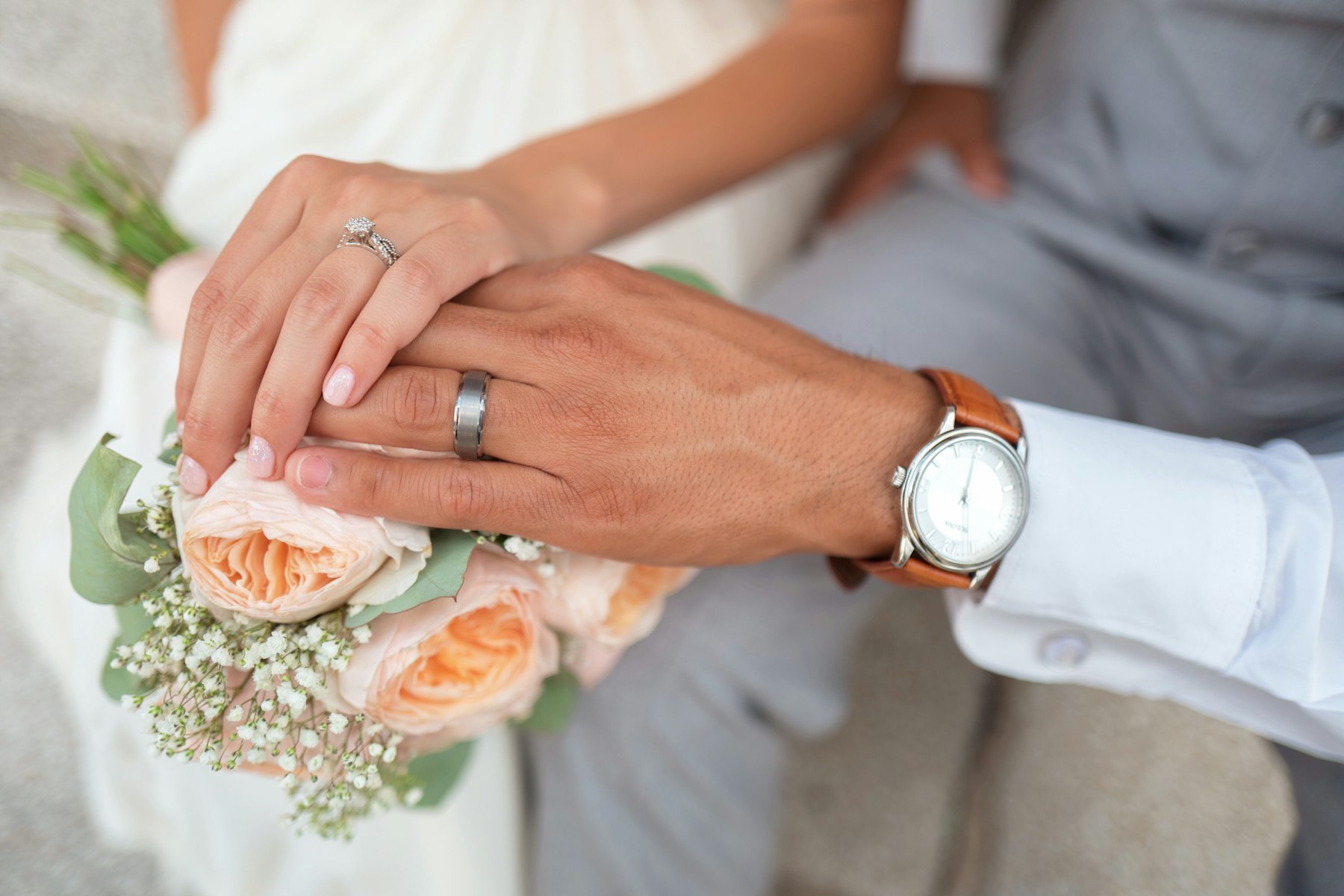
Photo: Drew Coffman / Unsplash
Elegant and festive. Follow the dress code on the invitation and avoid white, which is for the bride.
Follow the couple’s wishes on the invitation or wedding website, such as a gift list or a contribution.
A church ceremony followed by a long reception with dinner, toasts and dancing late into the night.
¡Vivan los novios!: Long live the newlyweds!
Reply by the date on the invitation, and check whether you are invited to the civil wedding, the church wedding or both.
Many Venezuelan couples have two ceremonies. The civil ceremony is the legally binding one and is often small, with close family. The religious ceremony, usually a Catholic wedding in church, may take place on the same day or weeks later, and it is generally followed by the bigger celebration. Both can be marked with a reception, but the church wedding party is usually the grander one. During a Catholic ceremony, the couple may exchange las arras, a set of thirteen coins, as a symbolic gesture.
The reception is lively, with food, toasts from family, the cutting of the cake and plenty of dancing. Venezuelan dishes such as hallacas and arepas may appear alongside dishes from the many cultures that make up the country, and tres leches cake is a popular dessert. The highlight for many guests is la hora loca, the crazy hour, strongly associated with Venezuela. Usually later in the reception, the music switches to upbeat favourites, often well-known Venezuelan songs, and the hosts hand out props such as masks, wigs, hats, whistles and noisemakers. Everyone is encouraged to dance for the whole hour, which helps guests mingle and get to know each other.
Another tradition takes many visitors by surprise: at some point the couple may slip away from their own reception without telling anyone. If they leave unnoticed, it is said to bring luck to the marriage, and the first guest to notice they have gone is also said to be lucky. Guests are encouraged to keep eating, drinking and dancing after they have left. Customs vary between regions and families, and Venezuelan couples living abroad often blend these traditions with local ones.
Many Venezuelan weddings welcome families, and la hora loca is often a favourite moment for younger guests. Check the invitation and, if they are coming, plan for a late night.
Coming soon to the App Store.
If a colleague invites you, a gift from the list or a contribution with a card is a kind gesture. Colleagues sometimes give a joint gift.
The civil ceremony makes the marriage legal. Many couples then hold a religious ceremony in church, which is usually followed by the bigger celebration.
The crazy hour: a burst of dancing during the reception, when guests receive masks, hats, wigs and noisemakers.
By tradition, slipping away from the reception unnoticed brings the couple luck. Guests keep celebrating without them.