Invited to an Emirati wedding? Expect separate celebrations for men and women, a henna night for the bride, generous hospitality and hundreds of guests. Many UAE residents come from other countries, so weddings there may follow very different traditions.
An Emirati wedding is a major family celebration, often with separate gatherings for men and women, a henna night for the bride, generous hospitality and many guests. Traditional celebrations may last several days, and the main party often begins late in the evening. Guests are served Arabic coffee, dates, sweets and a large meal. Because many residents of the UAE come from other countries, weddings there may follow very different traditions. Customs vary by family, so treat this as a general guide and follow the invitation.
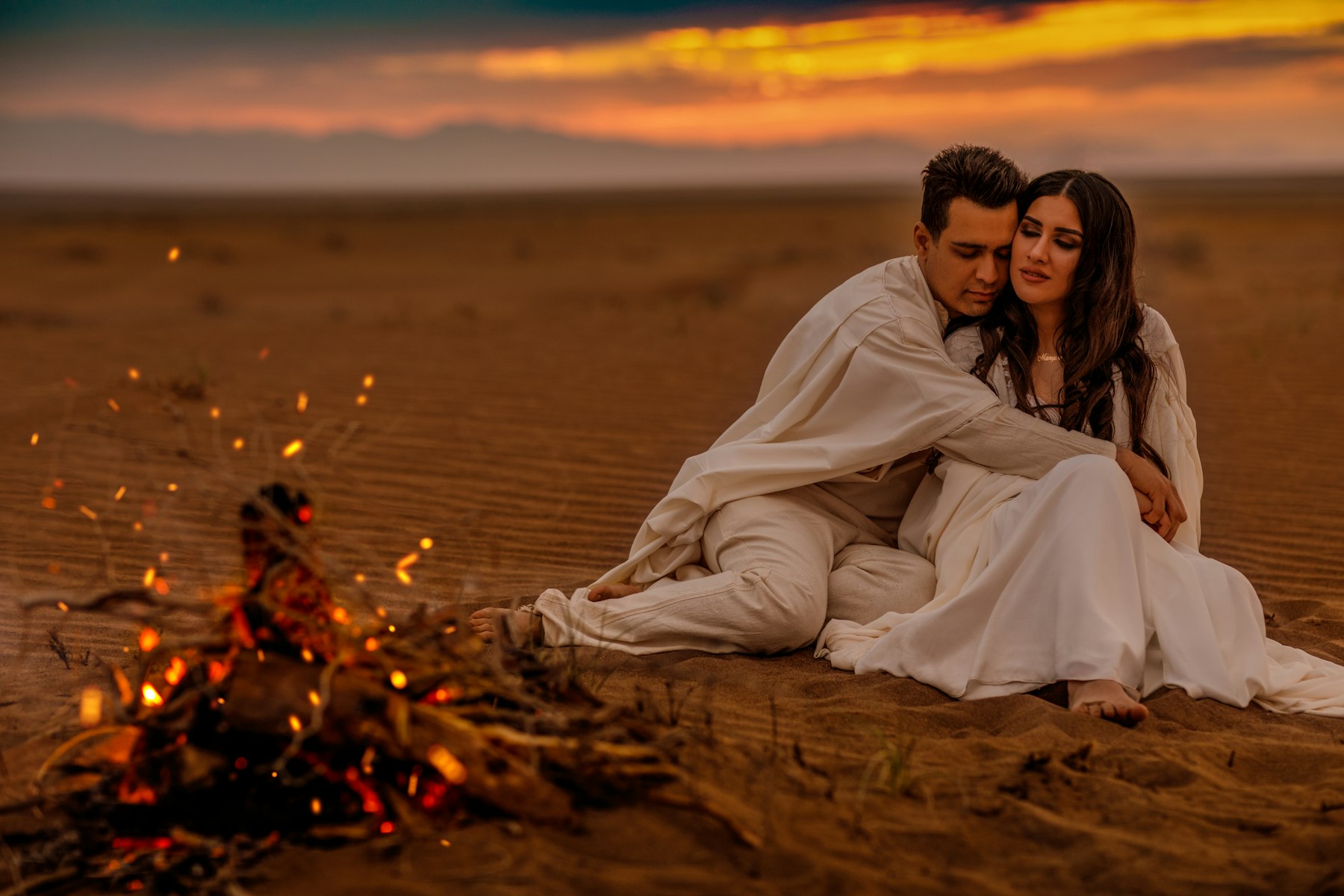
Photo: Dr Saeed Arab / Unsplash
Women: elegant evening wear in the women’s hall, modest cover to and from the venue. Men: formal or traditional dress.
Ask a close family member what is usual. Female friends and relatives traditionally bring gifts for the bride to the henna night.
The henna night comes a few days before; the women’s reception runs late into the evening for several hours.
Mabrook!: Congratulations!
Reply to the family or the person who invited you. Bring only the guests named on the invitation.
A few days before the wedding, the bride’s female friends and relatives gather for the henna night, a women-only party a little like a bridal shower. There is music and dancing, the bride receives gifts, and a henna artist decorates her hands and feet with intricate reddish-brown designs. Many families see the henna as an essential part of the celebrations.
Emirati weddings are traditionally held separately for men and women, often in neighbouring halls or on different nights. Guest lists can run to hundreds of people, as families are large and the culture is very sociable. Receptions take place in wedding halls, hotel ballrooms or at home, and in some communities in tents. The men’s celebration is usually simpler: guests greet the bride’s father, the groom and the elders of both families, and share coffee and a meal. The groom wears a white kandura covered with a bisht, a black cloak that is often trimmed with gold.
The women’s reception begins in the late evening. Female relatives welcome guests at the door, often offering perfume, Arabic coffee and dates, followed by sweets and a feast of local dishes. There may be a singer or a DJ and dancing. Later the bride makes her entrance, walking to a decorated stage known as the kosha, where she receives guests. A change of music signals that the groom is about to arrive, giving women time to cover their hair with a shayla if they wish. Photography is usually not allowed at the women’s celebration. Customs vary between families, tribes and regions, and weddings among the UAE’s many expatriate communities follow their own traditions.
Emirati weddings are big family occasions and the evening runs late. Check with the hosts whether younger family members are invited, and if they are, plan for a late night and ask which celebration they should attend.
On the App Store now. Coming soon on Google Play.
If an Emirati colleague invites you, accept graciously and ask a mutual colleague what to wear and whether a gift is expected. Arriving on time and greeting the family warmly matters more than an expensive present.
Prepared with AI assistance and reviewed by the Culture XI Editorial Team.
Written by
Culture XI Editorial TeamThe Culture XI Editorial Team researches and writes our guides to cultures, celebrations, weddings and cultural intelligence. Each article draws on published research and reputable sources, which we cite on the page. We update articles when we find newer or better sources.
Yes, traditionally. Men and women celebrate in separate halls or on separate nights, and the groom visits the women’s reception only briefly.
A women-only party a few days before the wedding, with music, gifts and henna designs on the bride’s hands and feet.
Usually not at the women’s celebration. Always ask the hosts first and never share photos of other guests.