Invited to a wedding in Spain? Expect a church or civil ceremony, a long and lively celebration that can last until the early hours, cheers of “¡Vivan los novios!” and, at many Catholic weddings, the exchange of thirteen coins called las arras.
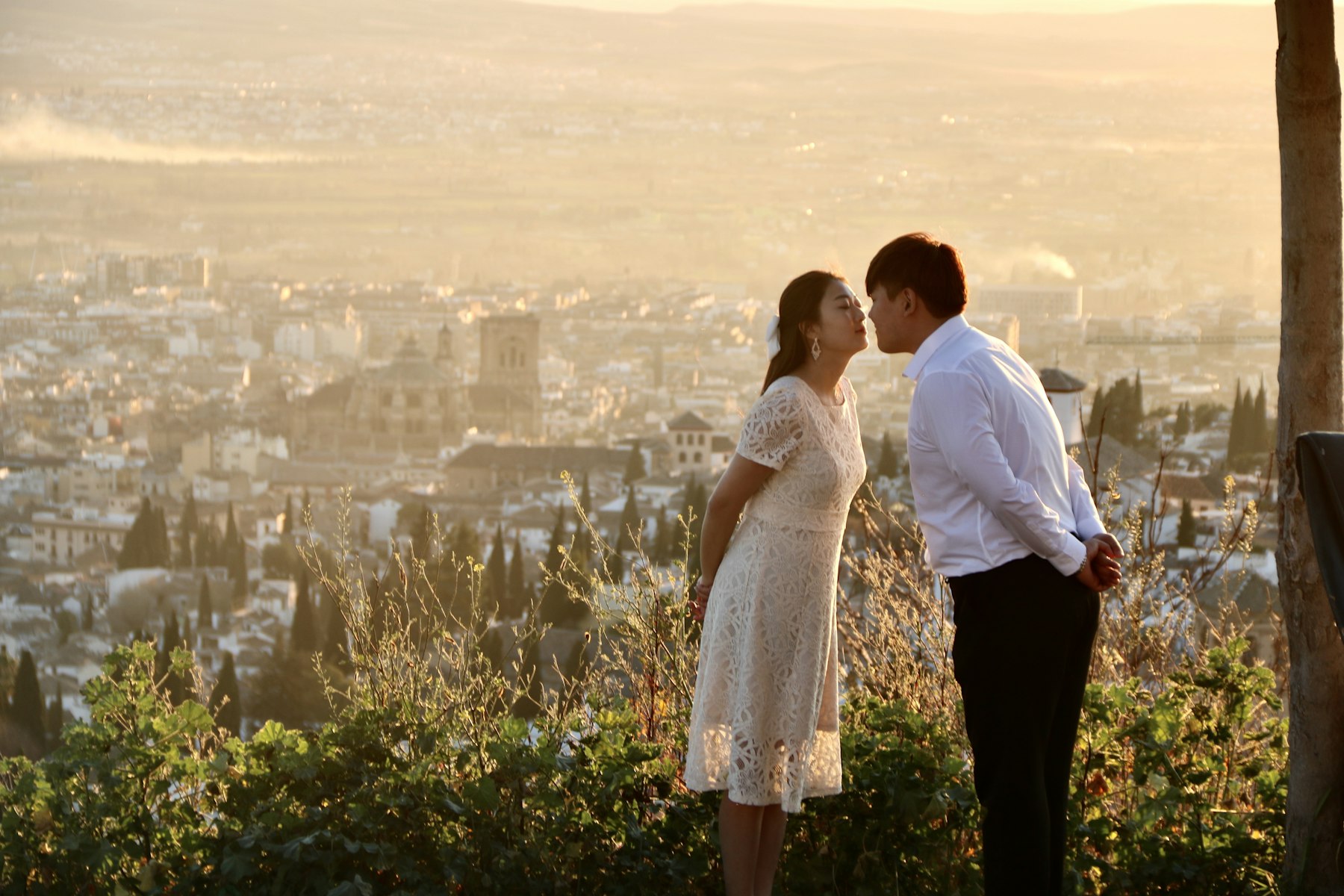
Photo: Jorge Fernández Salas / Unsplash
Smart and elegant. Avoid white, which is for the bride, and black, which many associate with mourning.
Usually money: a bank transfer to the account on the invitation, or an envelope (un sobre) at the celebration.
Ceremony of about an hour, then drinks, a long meal and dancing, often into the early morning.
¡Vivan los novios!: Long live the newlyweds!
Reply by the date on the invitation, often to the couple directly or via a wedding website.
Spanish weddings may be held in a church or as a civil ceremony at a town hall or another venue. Instead of a line of bridesmaids and groomsmen, many couples have padrinos: traditionally the groom’s mother (the madrina) and the bride’s father (the padrino), who walk the couple in and often act as witnesses. At many Catholic weddings the couple exchange las arras, thirteen coins that are blessed and given as a symbol of sharing everything they have and of prosperity for their new home. Today many couples take turns giving the coins to each other. Wedding rings in Spain are often worn on the right hand. As the couple leave, guests may throw rice or petals and shout “¡Vivan los novios!”
After the ceremony, guests usually gather for drinks and snacks while the couple have photos taken, followed by a long sit-down meal. Throughout the meal guests may cheer “¡Vivan los novios!” and call for the couple to kiss. The couple open the dancing with their first dance, the primer baile, and the party often continues until the early hours. Regional traditions, music and dances vary across Spain, from Galicia to Andalusia and the Canary Islands, and families add their own customs.
Gift registries are less common than in some countries. Most guests give money, either by bank transfer to an account printed on the invitation or in an envelope at the celebration. Many people aim for an amount that at least covers the cost of their place at the meal, though this is an informal custom rather than a rule, and any gift should suit your relationship and budget.
Many Spanish weddings welcome families, and younger family members often take part in the celebration. Check the invitation, and if they are coming, plan for a late night and a quiet place to rest during the long meal.
Coming soon to the App Store.
If a colleague invites you, a bank transfer or an envelope is the usual gift. Colleagues sometimes club together for a shared gift.
Thirteen coins exchanged at many Catholic weddings in Spain, symbolising sharing and prosperity in the couple’s new life together.
Traditionally the groom’s mother and the bride’s father, who walk the couple in and often act as witnesses.
Yes. Money is the most common gift, by bank transfer or in an envelope.