Invited to an Indian wedding? Expect colour, music, generous hospitality and often several days of celebration. Here is how to prepare, from shagun to what to wear.
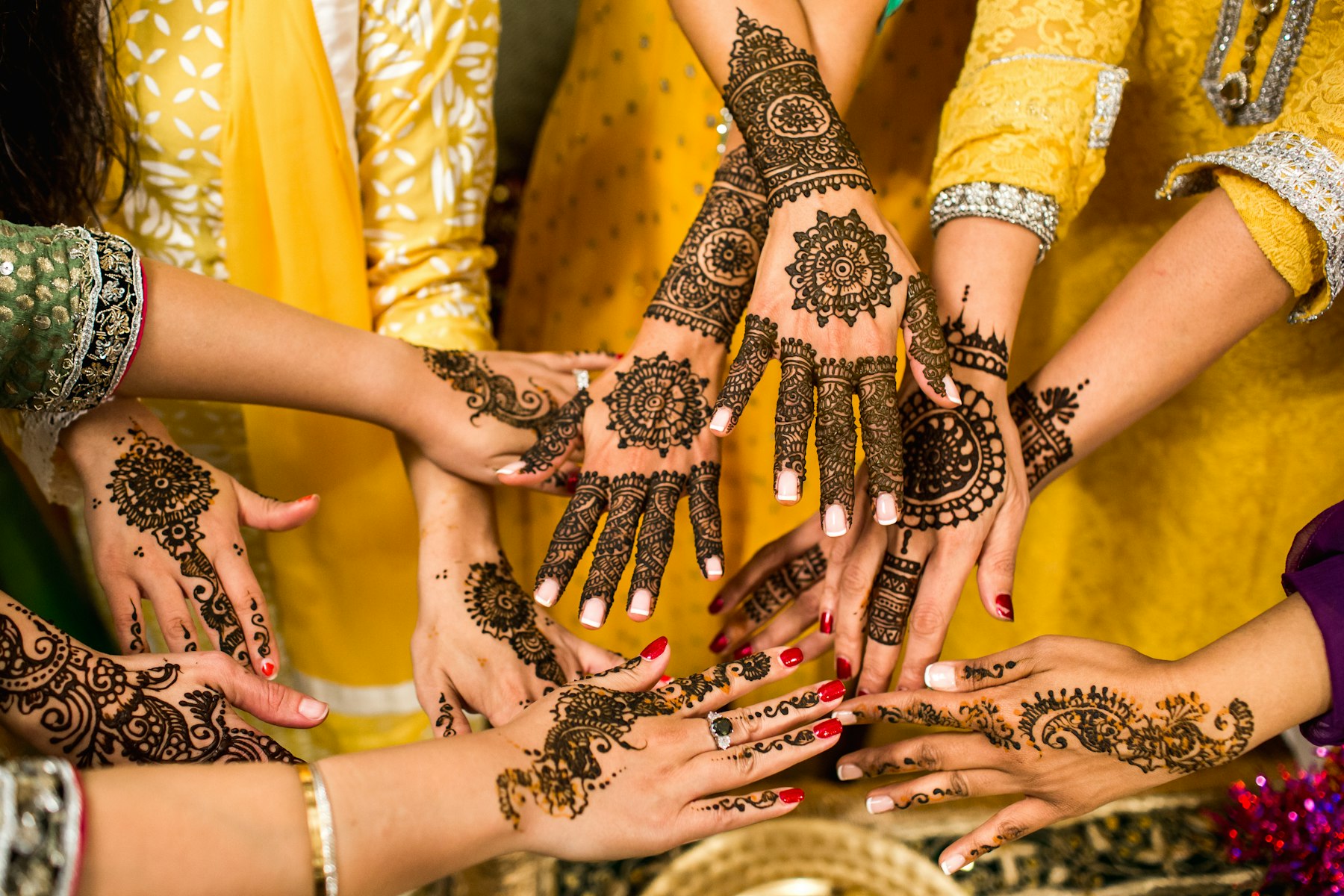
Photo: Vitaliy Lyubezhanin / Unsplash
Bright, modest outfits; Indian wear welcome. Avoid all-white and all-black. Cover shoulders and knees at the temple.
Shagun: cash in an envelope, in an amount ending in 1, such as ₹501 or ₹1,101. Household gifts are also given.
Often two to three days of events; the main ceremony alone can last several hours.
Shaadi mubarak!: Congratulations on your wedding! (Hindi and Urdu)
Invitations may arrive by card, call or message. Reply promptly and confirm which events you will attend.
Indian weddings vary greatly by region, religion, community and family, so treat this as a general guide. Many are multi-day events. A Hindu wedding in northern India may include a mehndi, when henna designs are applied to the bride's hands and feet, a sangeet evening of music and dance, and the main ceremony, often preceded by the baraat, the groom's lively procession. During the ceremony the couple walk around a sacred fire, a ritual known as the pheras. Sikh couples marry at a gurdwara in the Anand Karaj, Muslim couples in a nikah and Christian couples in church, while many South Indian Hindu weddings take place in the morning. Timings often follow an auspicious muhurat, so a ceremony may start very early or late at night. Guest lists are often large.
The most common gift is shagun, cash in an envelope, often with a ₹1 coin attached or in an amount ending in 1, such as ₹501, ₹1,101 or ₹5,001. The extra rupee is widely seen as a blessing for growth and continuity. The amount depends on your closeness to the family. Hand the envelope to the couple or their parents, often when you greet them on stage at the reception. Household gifts or jewellery are also given, though gift lists are less common.
Indian weddings are colourful, so dress brightly: a sari, lehenga, salwar kameez or kurta is warmly appreciated, and smart Western clothes are fine too. Avoid all-white, associated with mourning in many communities, and all-black, considered inauspicious by some. Red is often worn by brides, so many guests avoid it, though bridal colours vary. Cover your shoulders and knees at a temple, remove your shoes, and cover your head at a gurdwara.
Expect a generous buffet with many regional dishes. Food is often vegetarian at Hindu and Jain weddings, and some weddings serve no alcohol. Dancing at the baraat and sangeet is joyful and inclusive, and guests are usually encouraged to join in.
Indian weddings are family occasions, and the whole family is often welcome, sometimes including relatives the couple have never met. Still, check how the invitation is addressed and ask the couple or their family if you are unsure. Events can run late and be loud, so plan rests and snacks. Younger guests are often warmly included in the dancing and in rituals such as the baraat.
Coming soon to the App Store.
If a colleague invites you, it is a genuine compliment. Attend at least the main ceremony or reception, give shagun in an envelope (colleagues often pool a joint gift) and greet the couple on stage for a photo.
There is no fixed amount: it depends on your relationship with the couple and local custom. Choose an amount ending in 1, such as ₹501, ₹1,101 or ₹2,101, and put it in a card or envelope. Colleagues often pool money for a joint gift.
No. Your invitation will show which events you are invited to. Many guests attend only the main ceremony or reception, while close friends and family join the mehndi and sangeet as well.
Yes. Hosts are usually delighted when guests wear a sari, lehenga, salwar kameez or kurta. Ask a friend for help with draping or fit, and avoid all-white, all-black and bridal red.