Invited to a wedding in Argentina? Expect a late start, a long dinner and dancing until sunrise. Here is what guests need to know, from the civil ceremony to the cake ribbons.
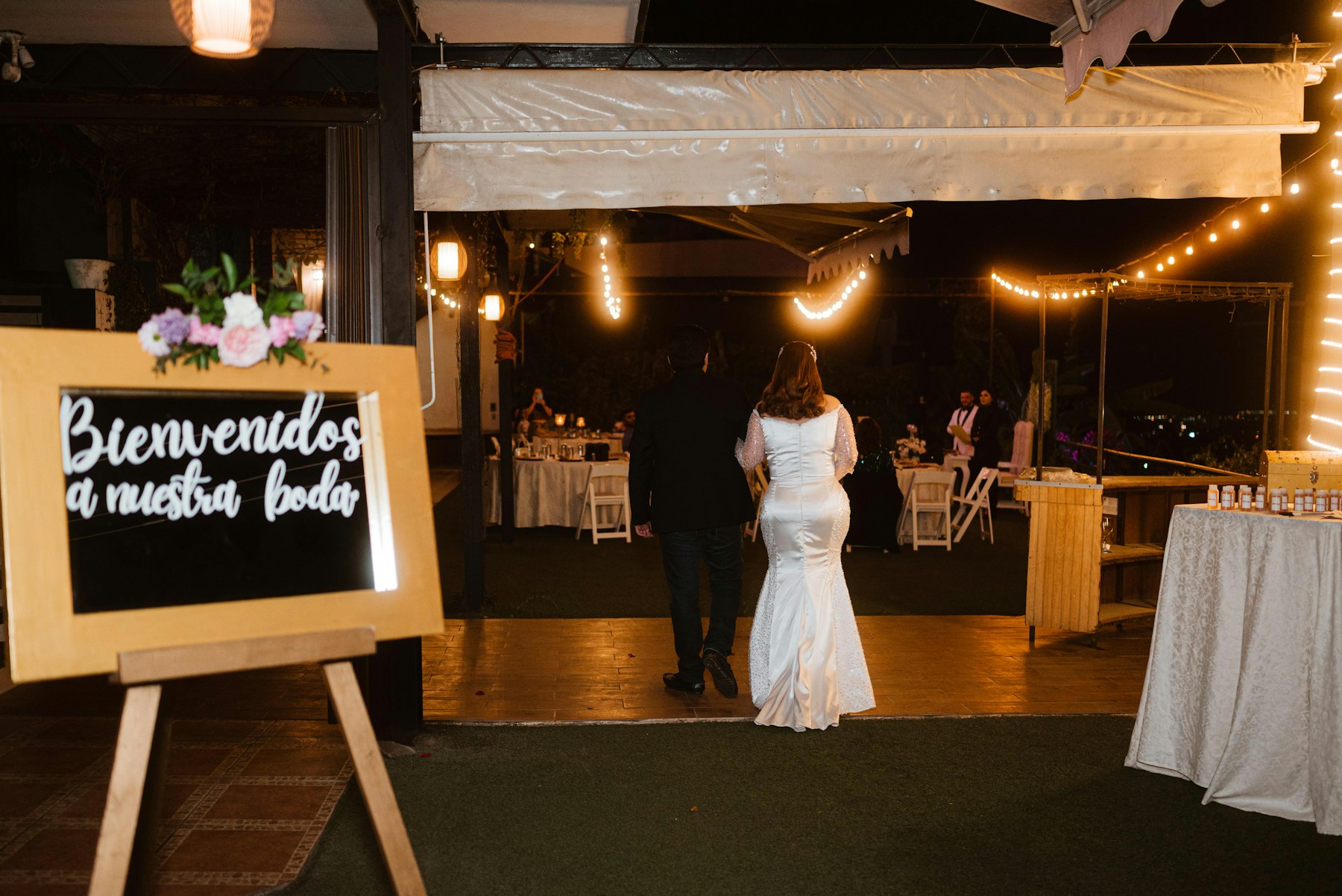
Photo: Samuel Cruz / Unsplash
Formal evening wear; elegant dresses or a suit. Avoid white, and bring comfortable shoes for the dancing.
Money is the usual gift, in an envelope dropped into a box at the party; follow what the invitation says.
Often from around 9 or 10 pm until sunrise, sometimes with breakfast before guests leave.
¡Felicitaciones a los novios!: Congratulations to the couple!
Reply by the date on the invitation; dinner seating is usually planned in advance.
In Argentina, the legal marriage takes place at the Registro Civil, the civil registry. This is often a small event with close family and witnesses, sometimes held days or even weeks before the main celebration. Many couples then hold a religious ceremony, often in a Catholic church, followed by the party to which most guests are invited. Others choose a civil-only wedding with a party, or a celebration in a different faith tradition. Customs vary between families and regions, so read the invitation carefully to see which parts you are invited to.
Argentine wedding parties start late and last a long time. Guests often arrive around nine or ten in the evening for drinks and a long dinner with toasts, before the dancing begins. Later in the night, many parties have a burst of extra energy, sometimes called the carnaval carioca, when staff hand out hats, masks and props and everyone heads for the dance floor. The party can continue until sunrise, and some hosts serve breakfast or pastries before guests head home.
A well-loved custom is the cintitas: ribbons tucked between the layers of the wedding cake, one of which is tied to a ring or charm. Single guests each pull a ribbon, and whoever finds the charm is said to be next to marry. It is light-hearted, and taking part is entirely optional.
Some couples invite families with younger children, while others plan an adults-only evening, so check how the invitation is addressed. If you bring younger family members, plan for the late hours: a quiet corner, a change of clothes and an early exit are all perfectly acceptable.
Coming soon to the App Store.
If a colleague invites you, it is fine to ask which parts of the day you are invited to. Colleagues often contribute to a joint gift via the couple’s list.
The legal marriage takes place at the civil registry, often with only close family. Many couples later hold a religious ceremony and the main party, which is where most guests join in.
Parties often run until the early morning or sunrise. Leaving earlier is fine; just thank the couple and their families before you go.
Ribbons hidden in the wedding cake. Single guests pull one each, and whoever finds the ribbon with the charm is said to be next to marry.