Religious festival
Eid al-Adha is one of the two main festivals in Islam. In the UAE, families begin the day with Eid prayers, then gather for breakfast, visit relatives and neighbours, share sacrificial meat and enjoy dishes such as harees.
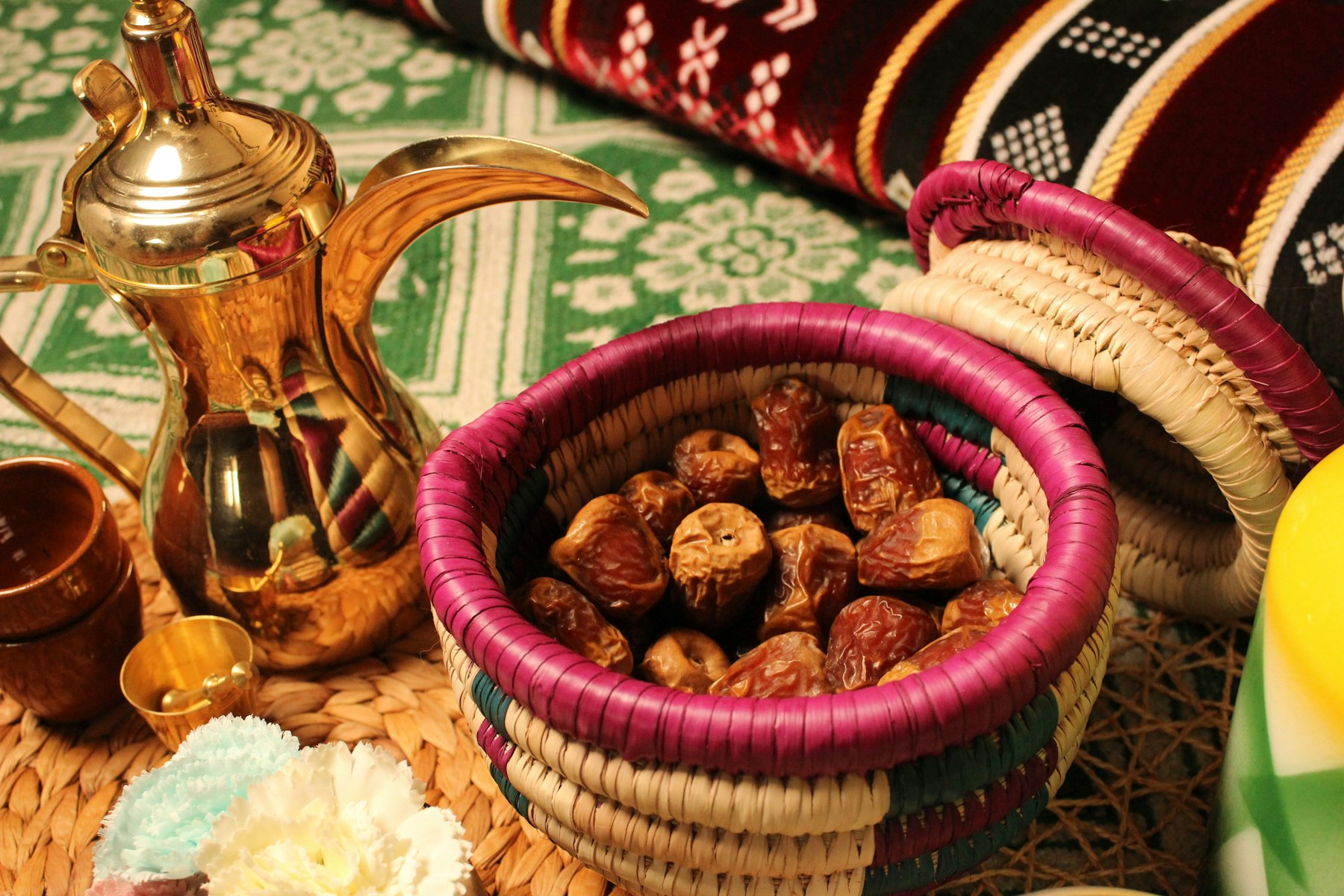
Photo: L Photography / Unsplash
10 Dhu al-Hijjah in the Islamic calendar; the date moves about 11 days earlier each year
Across the UAE, in mosques, family homes and majlis gatherings.
Eid prayers, family visits, sharing meat with relatives and those in need, coffee, dates and traditional dishes.
Eid Mubarak!: Blessed Eid!
Eid al-Adha, the Feast of the Sacrifice, is the second of the two main festivals in Islam, alongside Eid al-Fitr. It falls on the 10th day of Dhu al-Hijjah, the final month of the Islamic calendar, during the Hajj pilgrimage to Mecca, and celebrations continue for the following days. It honours the willingness of the Prophet Ibrahim (Abraham) to sacrifice his son as an act of obedience to God, who provided a ram in his place. Because the Islamic calendar is lunar, the date moves about 11 days earlier each year and is confirmed by the sighting of the moon.
Preparations start days in advance, with new kanduras and abayas tailored, homes made ready for visitors and food prepared. On the morning of Eid, families go to Eid prayers, then exchange greetings. Many families gather at the grandparents’ home for breakfast, and younger family members receive Eidiya, small gifts of money from elders. Families who can afford it offer a sacrifice, known in Emirati homes as al thabiha, and the meat is shared with relatives, neighbours and people in need, so that nobody is left out; mosques and civic groups also organise distributions. Visits to relatives and neighbours continue through the day, often in the majlis, and guests are welcomed with Arabic coffee, dates and sweets. Harees, a slow-cooked dish of wheat and meat, is on almost every table, alongside dishes such as ghouzi, thareed and luqaimat. Folk performances and community events also take place. Customs vary between families and emirates, and the UAE’s many Muslim residents from other countries celebrate in their own ways.
Learn about Eid al-Adha at home:
Coming soon to the App Store.
The UAE gives public holidays for Eid al-Adha, so expect busy roads, malls and attractions. If you are invited to an Emirati home, dress modestly, accept the coffee and dates you are offered and greet your hosts with “Eid Mubarak”.
The willingness of the Prophet Ibrahim (Abraham) to sacrifice his son in obedience to God, who provided a ram instead.
Small gifts of money that elders give to younger family members during Eid.
Eid follows the lunar Islamic calendar, which is about 11 days shorter than the Gregorian year.