National day
On 27 April, South Africa remembers its first democratic elections in 1994, when people of every race aged 18 and over could vote for the first time, marking the end of apartheid.
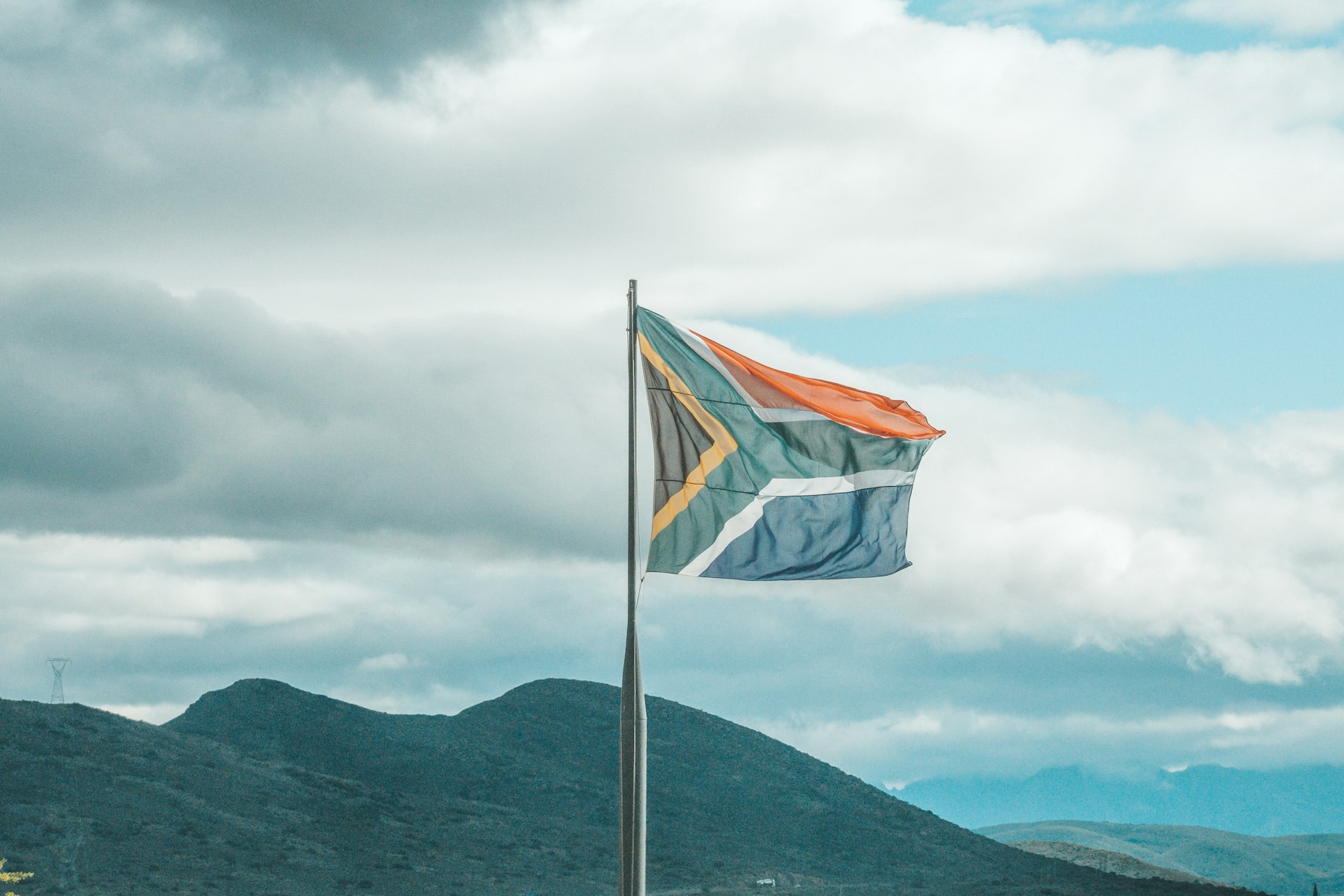
Photo: Filiz Elaerts / Unsplash
27 April every year
Across South Africa, with a national celebration and events in every province.
Attend a commemoration, reflect on the journey to democracy and spend the public holiday with family and friends.
Happy Freedom Day!: the everyday greeting for the holiday
Freedom Day is a public holiday in South Africa on 27 April. It commemorates the country’s first non-racial democratic elections, held on 27 April 1994. For the first time, every citizen aged 18 and over, of any race, could vote in a national election. The elections followed years of struggle against apartheid and negotiations that led to the release of political prisoners, the return of exiles and an interim constitution. Around 19.7 million people voted, and the elections took place in a largely peaceful and festive atmosphere. Nelson Mandela became the first democratically elected President of South Africa, leading a Government of National Unity, and a new constitution followed. Freedom Day marks the end of more than three centuries of colonialism, segregation and white minority rule.
The government holds a national Freedom Day celebration, with speeches, often by the President, and cultural performances, and there are events in provinces and communities around the country. The celebrations often have a theme that encourages people to reflect on democracy and freedom. For many South Africans, the day is a time to remember those who struggled and sacrificed for freedom, to talk about the country’s history with younger generations, and to spend time with family and friends. When 27 April falls on a Sunday, the Monday is a public holiday. How people mark the day varies between families and communities.
Freedom Day is both a celebration of democracy and a reminder that the work of building a better life for all continues.
Mark Freedom Day at home:
Coming soon to the App Store.
Freedom Day is a public holiday, and in some years it creates a long weekend, so expect busy roads and holiday spots. Public commemorations are welcoming; follow the guidance of organisers.
South Africa held its first democratic elections, in which citizens of every race aged 18 and over could vote.
Nelson Mandela, the first democratically elected President of South Africa.
Yes. If 27 April falls on a Sunday, the following Monday is a public holiday.