National holiday
Shōgatsu is Japan's most important holiday: a quiet, hopeful time of shrine visits, special food and family gatherings that welcomes the year ahead with care and good wishes.
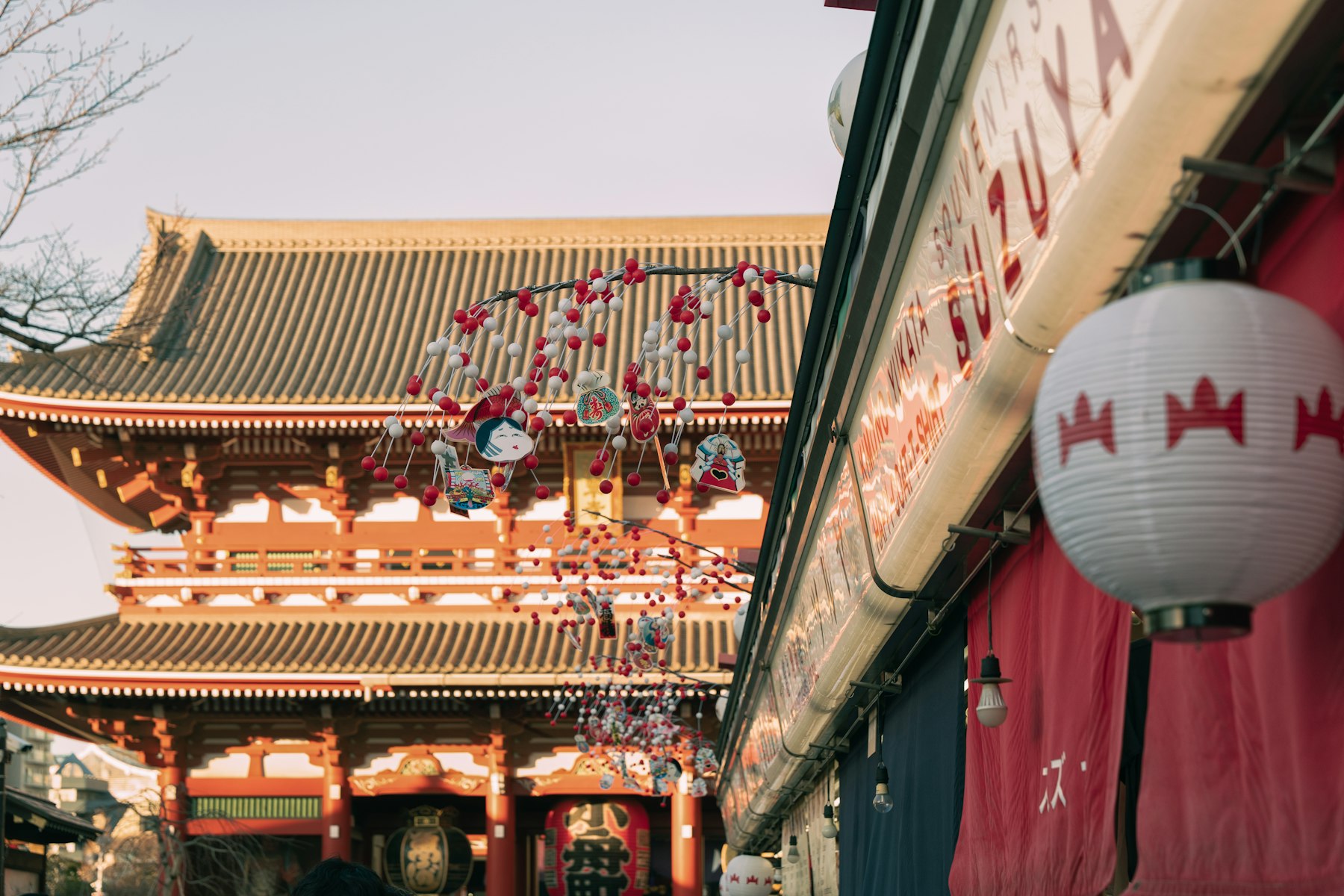
Photo: ayumi kubo / Unsplash
1–3 January
Across Japan, in homes, shrines and temples; many people travel to their home towns.
Clean the house, eat osechi and ozōni, visit a shrine or temple for hatsumōde and send New Year cards.
Akemashite omedetō gozaimasu: Happy New Year
Shōgatsu, often called oshōgatsu, is the most important holiday of the Japanese year. Traditionally, households prepared to welcome Toshigami, the deity of the new year, who was believed to bring a good harvest and the blessings of the ancestors. Japan moved its New Year to 1 January when it adopted the Gregorian calendar in 1873, and the first three days, known as sanganichi, remain a time for rest and family.
Preparations begin in late December with a thorough house clean, ōsōji. On New Year's Eve, ōmisoka, many families eat toshikoshi soba and listen as temple bells ring out, traditionally 108 times. In the first days of January, millions make hatsumōde, the first visit of the year to a shrine or temple, to pray for good health and buy new protective charms. Cards called nengajō are timed to arrive on 1 January, and young family members often receive otoshidama, small gifts of money in decorated envelopes. Customs differ between regions and households: some families travel to their home towns, others keep things quiet, and many simply enjoy a rare break from work.
The centrepiece is osechi ryōri, an array of dishes packed in lacquered boxes, each carrying a wish: black beans for good health, herring roe for many descendants, prawns for a long life. Ozōni, a soup with rice cakes, varies widely: clear broth and square mochi are common in the east, while Kyoto is known for white miso and round mochi. At entrances you may see kadomatsu arrangements of pine and bamboo and shimekazari straw decorations, and indoors a kagami mochi of two stacked rice cakes topped with a bitter orange. Gentle koto music is often heard in shops and on television.
Three ways to share the spirit of Shōgatsu together:
Coming soon to the App Store.
From late December to around 3 January, many offices and some shops close, so plan ahead. Before New Year, say yoi otoshi o (have a good year's end); afterwards, akemashite omedetō gozaimasu. If a friend or colleague has lost a family member during the year, they may be in mourning and avoid celebrating: skip the cheerful greeting and New Year card, and offer a quiet, kind word instead.
Hatsumōde, the first shrine or temple visit of the year, draws millions of people in the first three days. Large shrines can be extremely busy, so many people visit later in the first week or choose a quieter local shrine.
Osechi is a selection of dishes prepared in advance so that everyone can rest over the holiday. Common items include sweet black beans, herring roe, rolled omelette and simmered vegetables, though the contents vary by region and family.
No. Since 1873 Japan has celebrated New Year on 1 January, following the Gregorian calendar. Lunar New Year is not a national holiday in Japan, although it is celebrated in some communities, such as Yokohama’s Chinatown.