Family milestone
Shichi-Go-San, meaning seven-five-three, is a family celebration of growing up. Families dress in their best and visit a shrine to give thanks and wish for a healthy future.
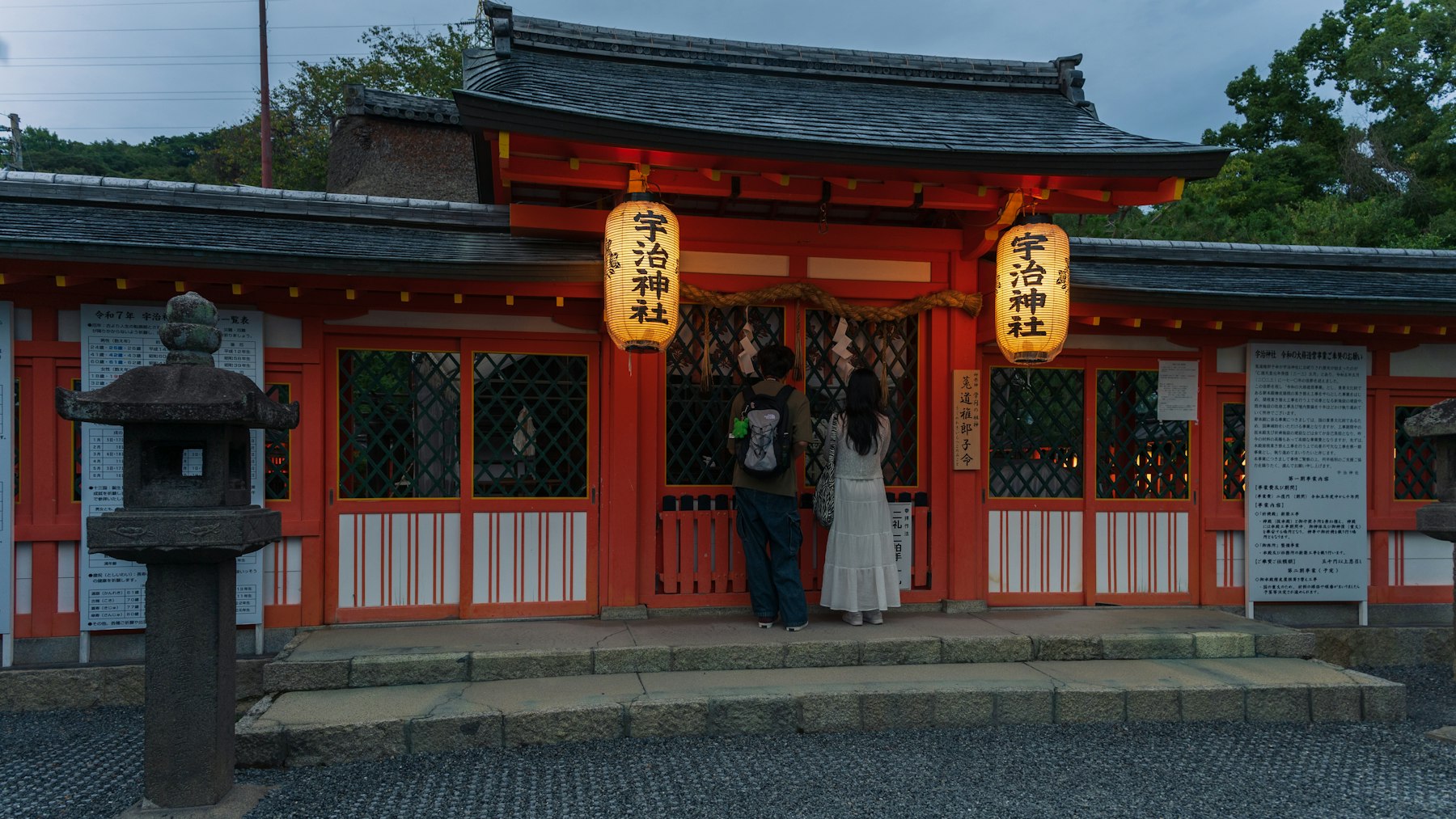
Photo: Zheng XUE / Unsplash
15 November (often a nearby weekend)
Shinto shrines across Japan, with large crowds at well-known shrines such as Meiji Jingu in Tokyo.
Dress in kimono or formal clothes, visit a shrine for a blessing, take family photos and share chitose-ame sweets.
Omedetō gozaimasu: Congratulations
Shichi-Go-San means seven-five-three, the ages at which families traditionally give thanks for a young person's healthy growth and pray for their future. The custom draws on older rites once held by court and samurai families: kamioki, when a three-year-old's hair was allowed to grow; hakamagi, when a boy of five first wore the formal hakama; and obitoki, when a girl of seven began to tie her kimono with a proper obi sash. At a time when early life was fragile, reaching these ages was a real cause for celebration. The date of 15 November is often linked to a Tokugawa shogun's prayers for his son's health.
Traditionally, girls mark the ages of three and seven and boys the age of five, though in some regions boys also celebrate at three, and families differ in whether they use actual age or the traditional way of counting. Families dress up and visit a Shinto shrine, where a priest may offer a blessing, and many choose a convenient weekend in October or November rather than the day itself. Studio portraits are now a large part of the occasion, and some families take photos earlier in the year when studios are quieter. Grandparents often join, and the visit may end with a family meal.
The best-known symbol is chitose-ame, thousand-year sweets: long red and white sticks of candy, given in a bag decorated with cranes and turtles, both emblems of long life. Girls often wear brightly patterned kimono, sometimes with a small padded vest at age three, and boys wear haori jackets with hakama, though many families now choose formal Western clothes. Red and white, the colours of celebration in Japan, appear throughout, and a celebratory meal may include sea bream or sekihan, rice cooked with red beans.
Mark a family milestone in the spirit of Shichi-Go-San:
Coming soon to the App Store.
If a friend or colleague's family is celebrating, a warm omedetō gozaimasu (congratulations) is perfect. Shrines are busy on November weekends, so give families space for their photos and step aside from areas where blessings take place. Always ask before photographing anyone. Gifts are not expected from friends or colleagues, though relatives sometimes give money or a small present.
Traditionally girls celebrate at three and seven and boys at five, with boys also marking age three in some regions. Some families count by actual age and others by the traditional system, so practice varies.
No. Many families choose a convenient weekend in October or November, and some take photos earlier in the year. 15 November is the traditional date but it is not a public holiday.
Chitose-ame, or thousand-year sweets, are long red and white candy sticks sold at shrines around Shichi-Go-San. Their length and the cranes and turtles on the bag express wishes for a long and healthy life.