Harvest festival
When the harvest moon is at its fullest, families in China gather to admire it, share mooncakes and light lanterns at the Mid-Autumn Festival, a celebration of reunion.
The Mid-Autumn Festival (Zhōngqiū Jié) takes place on the 15th day of the eighth lunar month, when the moon is traditionally seen at its fullest and brightest, usually in September or early October. Families come together to look at the moon, eat mooncakes and carry lanterns, making it above all a festival of reunion. Its origins are in the harvest season, and the tale of Chang’e, the moon goddess, is part of it. It is a public holiday in China, and similar moon festivals are observed in other parts of East and Southeast Asia.
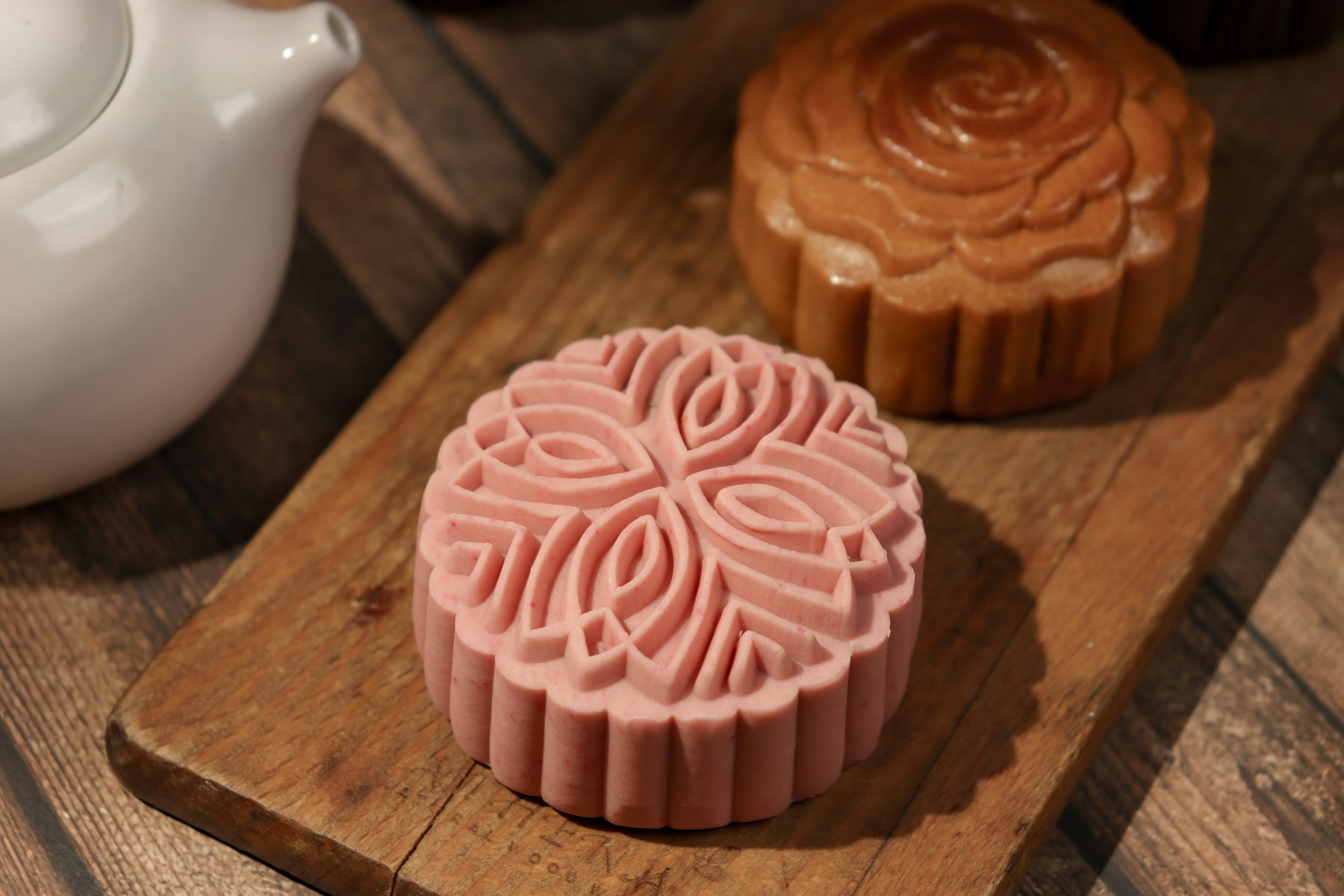
Photo: Elaine Kong / Unsplash
15th day of the 8th lunar month, between early September and early October
Homes, parks and riversides across China, and in many communities in East and Southeast Asia.
Admire the full moon, share mooncakes and fruit, and carry or hang colourful lanterns.
中秋节快乐 (Zhōngqiū jié kuàilè): Happy Mid-Autumn Festival!
The Mid-Autumn Festival, Zhōngqiū jié, falls on the fifteenth day of the eighth month of the lunisolar calendar, when the moon is said to be at its brightest. It began as a harvest celebration and is closely linked to the legend of Chang’e, the moon goddess, who is said to live on the moon with a jade rabbit. The round full moon is a symbol of family reunion, which is why the festival is also called the Festival of Reunion in some places.
Families try to be together for dinner, then go outside to admire the moon. The festival’s best-known food is the mooncake, a rich round pastry often filled with lotus-seed or sweet-bean paste, sometimes with a salted egg yolk in the centre to represent the moon. Mooncakes are given as gifts to relatives, friends and colleagues in the weeks before the festival, often in beautiful boxes. Lanterns of every shape light up parks and streets, and some cities hold lantern displays. Customs vary by region: in Guangdong and Hong Kong it is often called the Mooncake Festival, and similar festivals are celebrated in Vietnam, Korea, Malaysia, Singapore and beyond.
Compared with Spring Festival, it is a gentler occasion, with a public holiday that gives families time for a meal and an evening walk under the moon.
Hold a moon evening at home:
On the App Store now. Coming soon on Google Play.
If you visit China around the festival, look out for lantern displays in parks and mooncake stalls everywhere. Mooncakes make a thoughtful gift for hosts or colleagues; choose a small box if you are unsure. There is a public holiday, sometimes combined with National Day in early October, so transport can be busy.
Prepared with AI assistance and reviewed by the Culture XI Editorial Team.
Written by
Culture XI Editorial TeamThe Culture XI Editorial Team researches and writes our guides to cultures, celebrations, weddings and cultural intelligence. Each article draws on published research and reputable sources, which we cite on the page. We update articles when we find newer or better sources.
On the fifteenth day of the eighth lunar month, which falls between early September and early October in the Gregorian calendar.
Round pastries with a rich filling such as lotus-seed or sweet-bean paste, sometimes with a salted egg yolk. Many modern versions use fillings such as custard, fruit or ice cream.
In Chinese mythology, Chang’e is the goddess of the moon. Stories say she lives there with a jade rabbit, and families often tell her story while looking at the full moon.
Yes. It is one of China’s official public holidays, and the government announces each year how the days off and make-up working days are arranged around it.