New Year celebration
On New Year's Eve, many Brazilians dress in white, gather by the sea or around the family table, and welcome the year ahead with fireworks, wishes and offerings to the ocean.
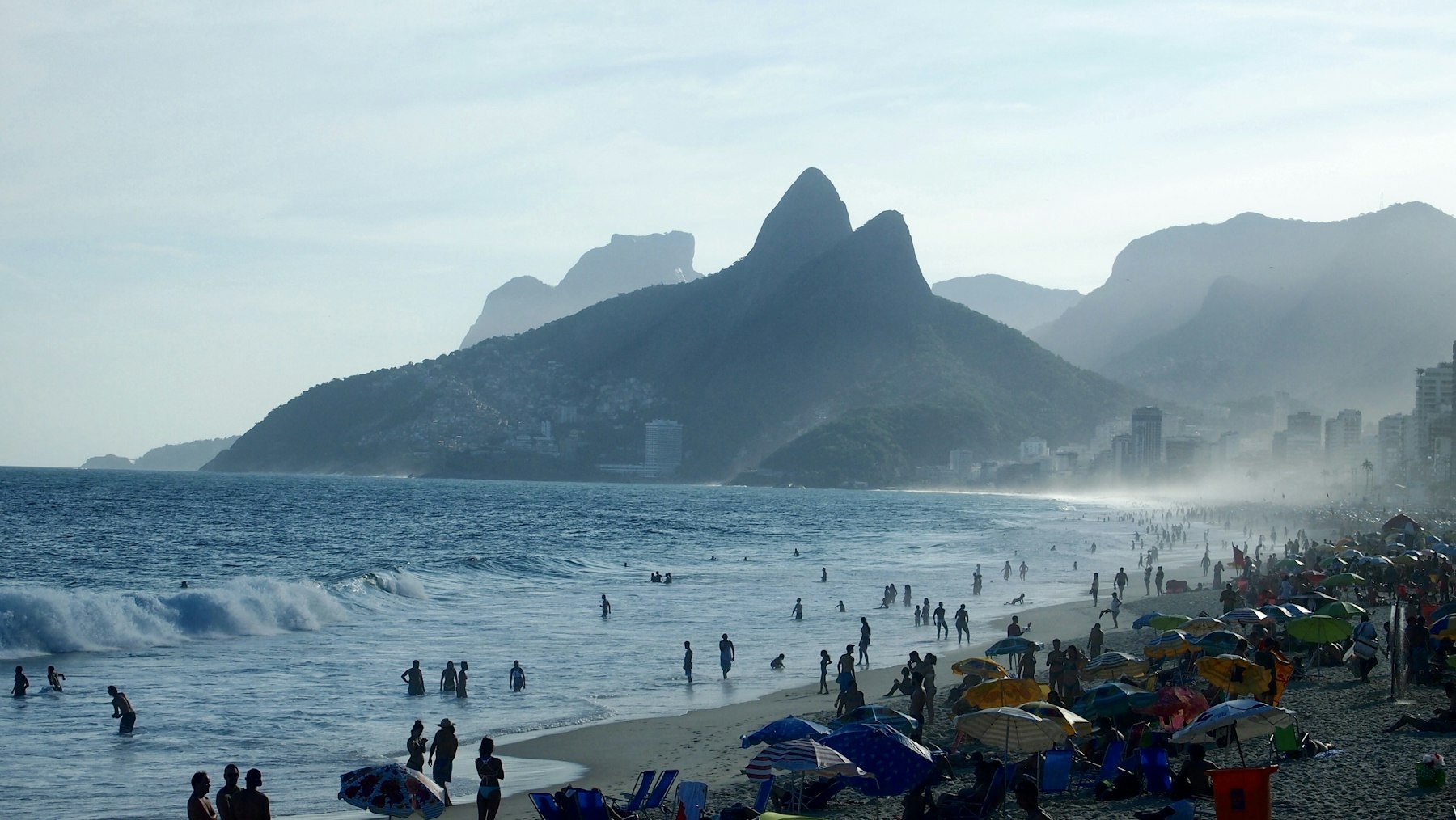
Photo: Frederik Rosar / Unsplash
31 December, into the early hours of 1 January
Beaches and city squares across Brazil, most famously Copacabana in Rio de Janeiro, as well as family homes.
Wear white, watch fireworks, jump seven waves for luck, offer flowers to Iemanjá and share a late family dinner.
Feliz Ano Novo!: Happy New Year!
Réveillon, a word borrowed from French, is Brazil's New Year's Eve celebration, and it brings together influences from several traditions. Wearing white is widely associated with peace and a fresh start, a custom many people link to Afro-Brazilian religions such as Candomblé and Umbanda, in which followers honour Iemanjá, the orixá of the sea, with offerings at the shore. During the twentieth century these practices spread far beyond their religious roots, and New Year on the beach became a celebration shared by people of all backgrounds.
The best-known party takes place on Copacabana beach in Rio de Janeiro, where very large crowds gather for music and a long fireworks display over the sea. São Paulo celebrates on Avenida Paulista, and coastal cities from Fortaleza and Salvador to Florianópolis host their own events. Inland, and for many families everywhere, Réveillon is a home gathering with a late dinner, a midnight toast and hugs all round. At the beach, some people jump seven waves at midnight, making a wish with each, and offer white flowers or small boats to Iemanjá. Customs vary widely, and many people pick the traditions that feel meaningful to them.
Dinner often includes roast meats, rice, salads and farofa, toasted manioc flour, followed by fruit and desserts. Many people eat lentils for prosperity, and some keep pomegranate seeds in their wallet or eat grapes at midnight while making wishes. Clothing colours carry hopes for the year ahead: white for peace, yellow for money and red or pink for love. Popular music, samba and live concerts fill the night, and midnight is marked with sparkling wine and a heartfelt Feliz Ano Novo.
Welcome the new year the Brazilian way:
Coming soon to the App Store.
Wearing white is welcome for everyone and a lovely way to join in. If you see flowers, candles or small boats at the shoreline, treat them as religious offerings: do not touch, move or take them, and ask before photographing people taking part. Big beach parties are very crowded, so travel early, carry little and agree a meeting point. Wish friends and colleagues Feliz Ano Novo or Boas festas.
White is widely seen as a colour of peace and a fresh start. The custom is often linked to Afro-Brazilian religions such as Candomblé and Umbanda, but today people of all backgrounds wear it.
Iemanjá is an orixá, a deity of Afro-Brazilian religions, associated with the sea and motherhood. On New Year’s Eve some devotees, and others who share the custom, offer flowers and gifts to her at the shore.
Yes. New Year’s Day is a national public holiday, so many shops and offices close. Many people also take time off between Christmas and New Year, which falls during the summer holidays.