Invited to a wedding in New Zealand? Expect a relaxed but heartfelt day led by a registered celebrant, often outdoors, and at many weddings Māori elements such as a karakia blessing, a waiata or a haka from the couple’s whānau.
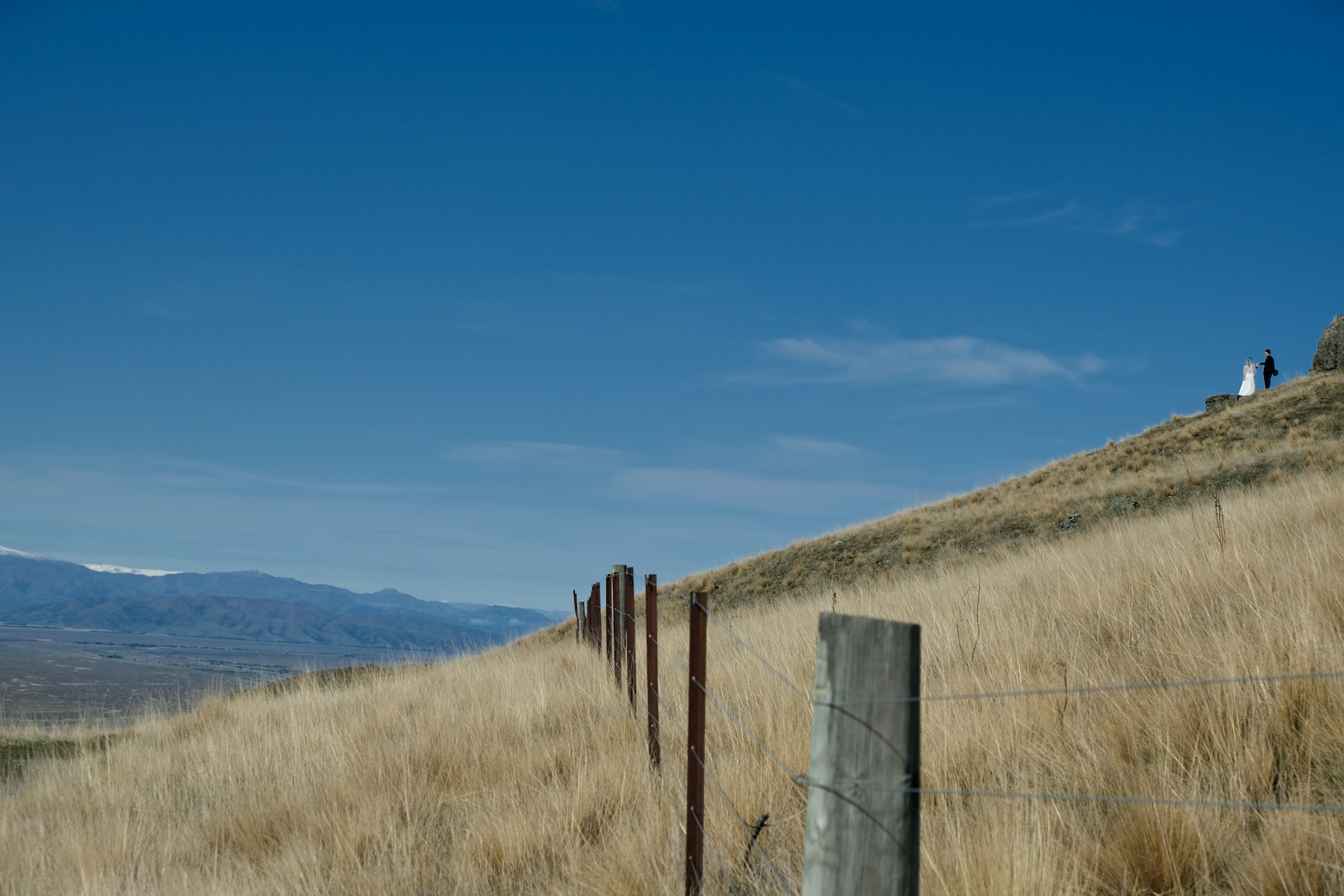
Photo: Rebecca Clarke / Unsplash
Follow the dress code on the invitation. Many weddings are outdoors, so plan for the weather and the ground.
Often money, through a wishing well at the reception or online, with a card. Contributions are always optional.
A short ceremony, then drinks, photos, a meal, speeches and dancing into the evening.
Kia ora: Hello, thank you, be well
Reply by the date on the invitation, often through the couple’s wedding website.
In New Zealand, every wedding must be conducted by a registered celebrant, and the couple first need a marriage licence. Couples can choose a simple registry ceremony or a personalised one, and many write their own vows. Ceremonies take place in churches, gardens, wineries, on beaches and at marae, and many are relaxed in tone while still deeply meaningful.
Many couples weave Māori customs into the day as a sign of respect for the land and for Aotearoa’s heritage. A ceremony may open with a karakia, a short blessing led by an elder, a family member or the celebrant, followed by a mihi, a formal welcome. A karanga, a ceremonial call, or a waiata, a song, may replace aisle music. Vows and readings may include te reo Māori or a whakataukī, a Māori proverb, and couples may wear a korowai, a feathered cloak, or exchange taonga such as pounamu, greenstone.
After the ceremony there are usually drinks and photos, then a meal, speeches and dancing. One of the most moving moments can be a haka performed by the couple’s whānau, friends or siblings, often as the couple leave the ceremony or enter the reception. A haka can honour ancestors, welcome guests or mark the occasion. Some couples hold a full pōwhiri, a Māori welcome, with a karanga, speeches, waiata and the hongi, the pressing of noses and foreheads that symbolises sharing the breath of life. Customs vary from family to family and from iwi to iwi.
Cash gifts are common and widely accepted in New Zealand, often through a wishing well at the reception or an online version on the wedding website. Contributing is always optional, and a heartfelt card is always appreciated. If a pōwhiri is part of the day, guests may give a koha, a gift that today is usually money, according to what they can afford.
Many New Zealand weddings welcome families, but check the invitation first. At an outdoor wedding, bring layers, sun protection and something to keep younger family members busy during speeches. If there is a pōwhiri, explain beforehand that it is a formal moment for listening quietly.
Coming soon to the App Store.
If a colleague invites you, a contribution to the wishing well with a card is the usual gift. Colleagues sometimes give a joint contribution.
Only a registered celebrant. Couples also need a marriage licence before the wedding.
A box at the reception or an online page where guests can give money to the couple. It is always optional.
A haka by whānau or friends can honour ancestors, welcome guests or mark the occasion, and is a powerful moment of respect.