Invited to a wedding in Australia? Expect a ceremony led by a celebrant in a garden, on a beach, in a vineyard or a place of worship, a relaxed reception and a couple who may blend customs from many cultures.
An Australian wedding is typically a ceremony led by a celebrant in a garden, on a beach, in a vineyard or in a place of worship, followed by a relaxed reception. This guide describes customs only and is not legal advice. Many couples blend customs from the cultures they come from, and weddings are often outdoors and informal in tone, though a dress code on the invitation should be followed. A wishing well, a box for cards and gifts, is a common gift option, and invitations often say whether partners and families are included. Customs vary by region and family, so this is a general guide.
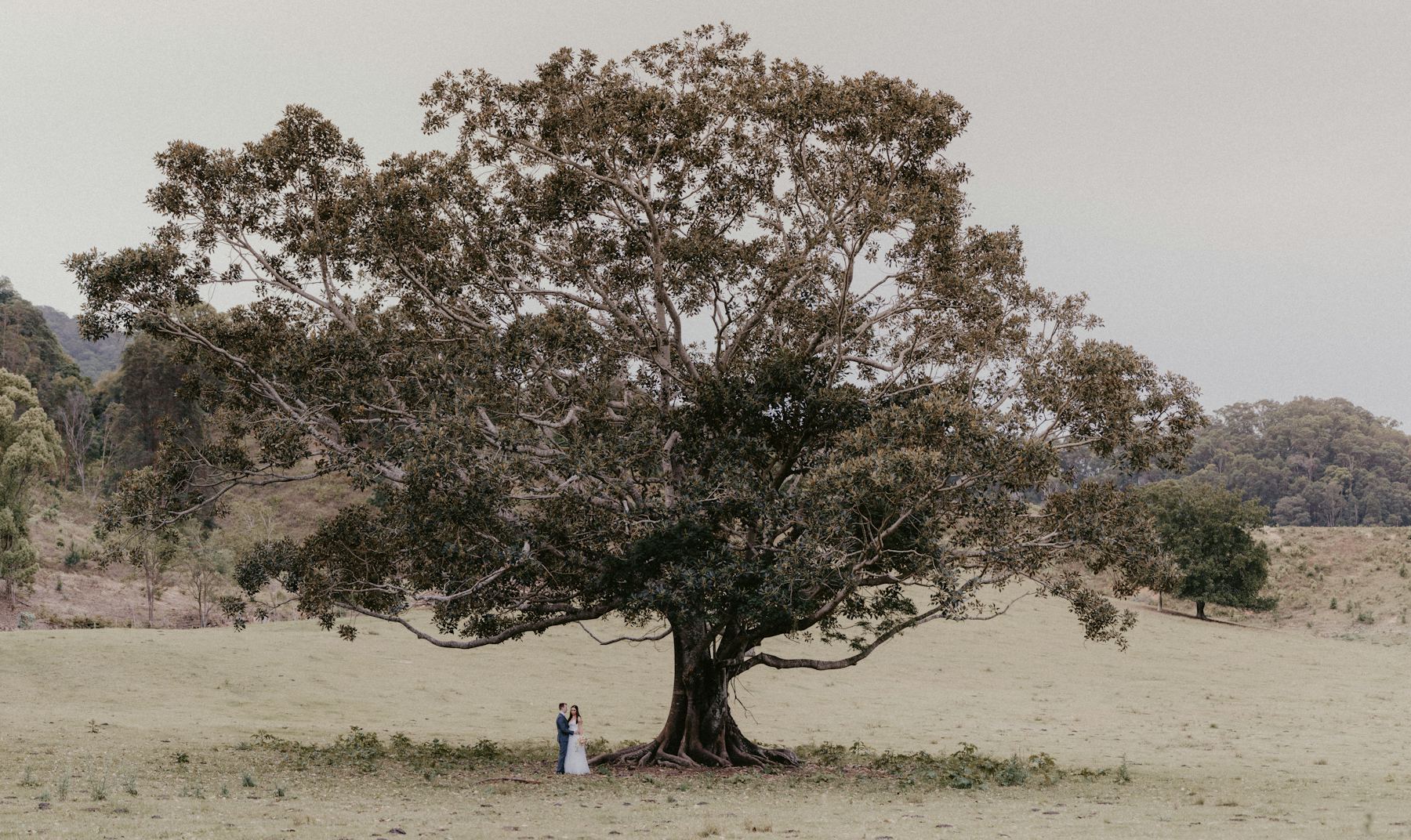
Photo: Josh Withers / Unsplash
Follow the dress code on the invitation; smart casual if none is given. Avoid white and ivory.
Something from the gift registry, or cash or a gift card in a card; many receptions have a gift table or wishing well.
A short ceremony of about half an hour, then a reception that often runs into the evening.
Congratulations!: the simple, warm wish for the couple
Reply by the date on the invitation, often through a wedding website. Bring a partner only if they are named.
Australian weddings come in many forms, from religious services to civil ceremonies in gardens, on beaches or at vineyards. Every legal wedding is led by an authorised marriage celebrant, who may be a civil celebrant or a minister of religion. The couple must give the celebrant a Notice of Intended Marriage at least one month before the wedding, and two adult witnesses sign the marriage certificates on the day. The ceremony itself is usually short: the celebrant says the words required by law, the couple exchange vows and often rings, and everyone applauds as they sign.
Australia is home to people from hundreds of backgrounds, and many couples bring customs from their own heritage into the day, whether that is a religious ritual, traditional dress, music or food. Some weddings combine two traditions in one celebration. If you are unsure what will happen, it is fine to ask the couple or another guest. Customs vary a great deal between families, communities and regions.
After the ceremony there are usually drinks and photos while the couple have portraits taken, followed by a meal, speeches, the cutting of the cake and dancing. Many receptions have a gift table or a “wishing well”, a box for cards and cash gifts. Couples increasingly ask for an “unplugged” ceremony, meaning no photos on guests’ phones, so watch for a sign or announcement.
Some Australian weddings welcome families with younger children and others are adults-only, so check how the invitation is addressed. If younger family members are invited, pack something quiet for the speeches and plan for a long afternoon or evening.
On the App Store now. Coming soon on Google Play.
If a colleague invites you, a contribution towards their registry or a card with cash is usual. Colleagues sometimes give a group gift.
Prepared with AI assistance and reviewed by the Culture XI Editorial Team.
Written by
Culture XI Editorial TeamThe Culture XI Editorial Team researches and writes our guides to cultures, celebrations, weddings and cultural intelligence. Each article draws on published research and reputable sources, which we cite on the page. We update articles when we find newer or better sources.
An authorised marriage celebrant, who may be a civil celebrant or a registered minister of religion.
A box or decorated container at the reception where guests leave cards with cash or gift cards for the couple.
Only if they are named on the invitation. Many weddings are adults-only, so check before you reply.