National day
On 1 October, Nigeria marks its independence from the United Kingdom in 1960 with ceremonies, parades and cultural displays, and families celebrate in green and white.
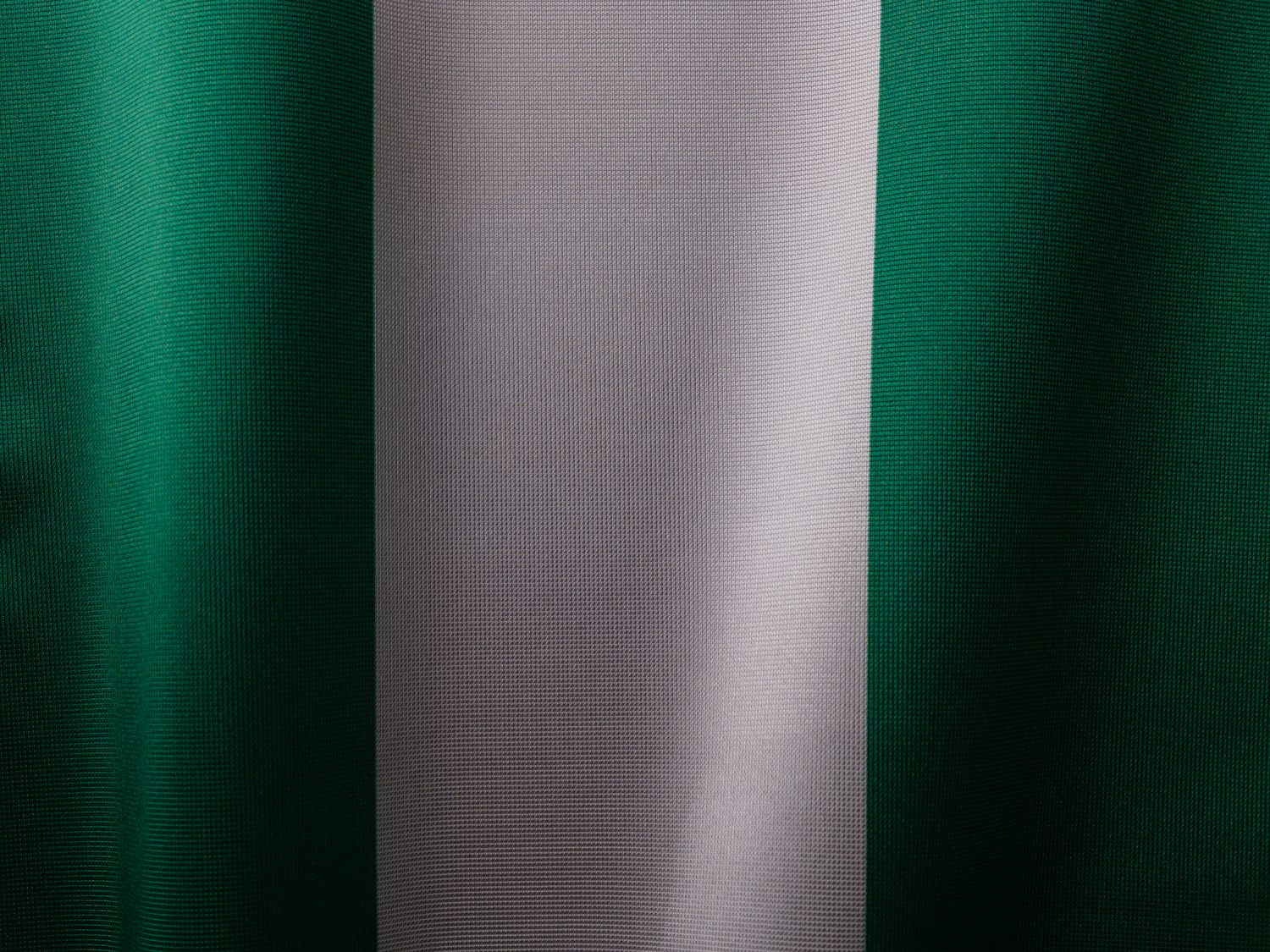
Photo: engin akyurt / Unsplash
1 October every year
Across Nigeria, and in Nigerian communities around the world.
Watch the parades and cultural displays, fly the green-white-green flag and celebrate with family and friends.
Happy Independence Day!: English is Nigeria’s official language
Nigeria became independent from the United Kingdom on 1 October 1960. On the night of 30 September, crowds gathered at the Lagos Race Course, now Tafawa Balewa Square, to watch the Union Jack lowered and Nigeria’s green-white-green flag raised at midnight. Independence Day is a public holiday and Nigeria’s national day, a moment to reflect on the country’s history and its future.
The day begins with a national broadcast by the President. Official ceremonies, military parades and cultural displays take place in the capital and in states across the country, where governments organise parades and cultural programmes. Schools often mark the occasion in the days before with lessons, performances and flag displays. Many families spend the holiday together, sharing meals and visiting relatives, while others enjoy concerts and events in their city. Green and white appear everywhere, from flags and decorations to outfits. Nigerian communities abroad hold their own celebrations, in cities such as London, New York and Houston. How people mark the day varies by region, community and family.
Nigeria is home to hundreds of ethnic groups and languages, and Independence Day cultural displays often celebrate that diversity, with music, dance and dress from many parts of the country.
Mark Nigeria’s Independence Day at home:
Coming soon to the App Store.
Expect road closures around parade routes and official venues on 1 October. Many offices and schools are closed, while markets and restaurants may be busy. If you are invited to a family gathering, a small gift and a warm greeting to elders are appreciated.
On 1 October 1960, when power was formally transferred from the United Kingdom.
Yes. 1 October is a public holiday across Nigeria and is legally designated as the country’s national day.
Yes. Nigerian communities in cities such as London, New York and Houston hold their own events and celebrations.