Māori New Year
When the Matariki star cluster rises again before dawn in midwinter, New Zealand marks the Māori New Year: a time to remember those who have died, celebrate the present and look ahead to the year to come.
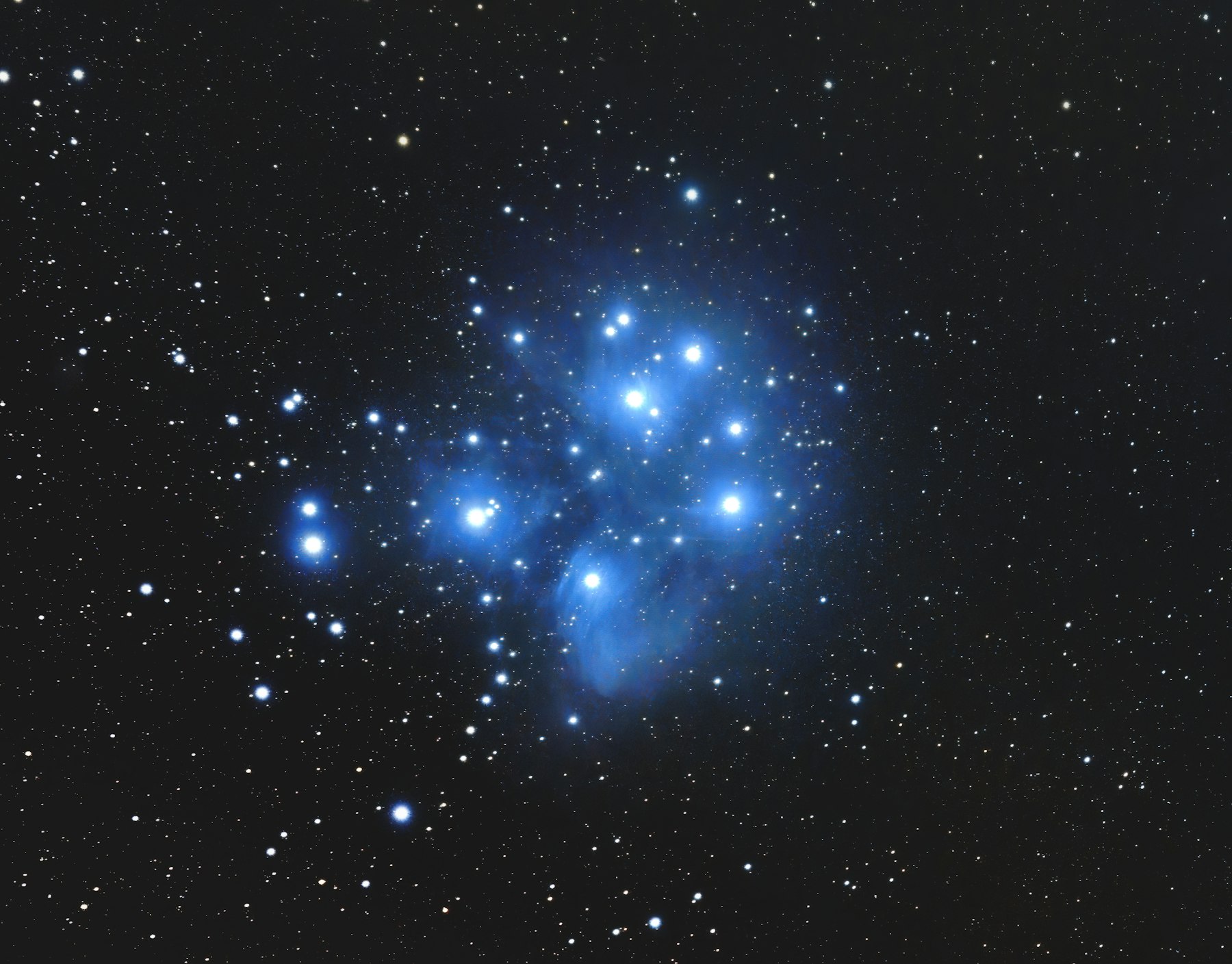
Photo: Anders Drange / Unsplash
A Friday public holiday between late June and mid-July
Across New Zealand, on marae and in towns, schools, libraries and museums.
Look for Matariki at dawn, share a meal, remember loved ones and join a local event.
Mānawatia a Matariki: Celebrate Matariki
Matariki is the Māori name for the star cluster also known as the Pleiades. Its name is a shortened form of a phrase meaning “the eyes of the god Tāwhirimātea”, the god of wind and weather. The cluster disappears from New Zealand’s night sky for about a month in winter and reappears just before sunrise in late June or early July. That rising marks the start of the new year in the Māori lunar calendar. Some iwi follow the rising of Puanga, the star Rigel, instead, and different regions have their own traditions.
Traditionally, Matariki had three parts: viewing the stars to read signs for the coming year, remembering those who had died since the last rising, and offering food to the stars, cooked in a hāngī, an earth oven, so that its steam rose into the sky. Some iwi recognise nine stars in the cluster, each linked to an area such as food from the land, the sea, fresh water or the sky. Hiwa-i-te-rangi is known as the wishing star.
Matariki celebrations declined during the 20th century but were revived from the 1990s by iwi, museums and community groups. Today Māori and non-Māori celebrate it with concerts, festivals of lights, community meals, tree planting and dawn gatherings to see the stars. Since 2022 Matariki has been a public holiday, always on a Friday so that people can spend a long weekend with family. Each year a national ceremony is hosted by a different iwi, with a live broadcast of the hautapu, the dawn offering, on the morning of the holiday. There is no single right way to celebrate: remembering loved ones, sharing a meal or watching the stars rise can all be part of it. Customs vary by iwi, region and family.
Celebrate Matariki at home:
Coming soon to the App Store.
Many towns hold events in the weeks around the holiday, from light festivals to talks at museums. Winter mornings can be cold and cloudy, so dress warmly for dawn gatherings. If you attend an event on a marae, follow the hosts’ guidance.
The Māori name for the Pleiades star cluster, whose rising before dawn in midwinter marks the Māori New Year.
On a Friday in June or July, usually between late June and mid-July. The date changes each year because it follows the Māori lunar calendar.
By remembering loved ones, sharing food, watching the stars at dawn and joining concerts, light festivals and community events.