Religious festival
At the end of Ramadan, Muslim families across Indonesia celebrate Idul Fitri, known as Lebaran, by travelling home, asking one another for forgiveness and sharing festive meals.
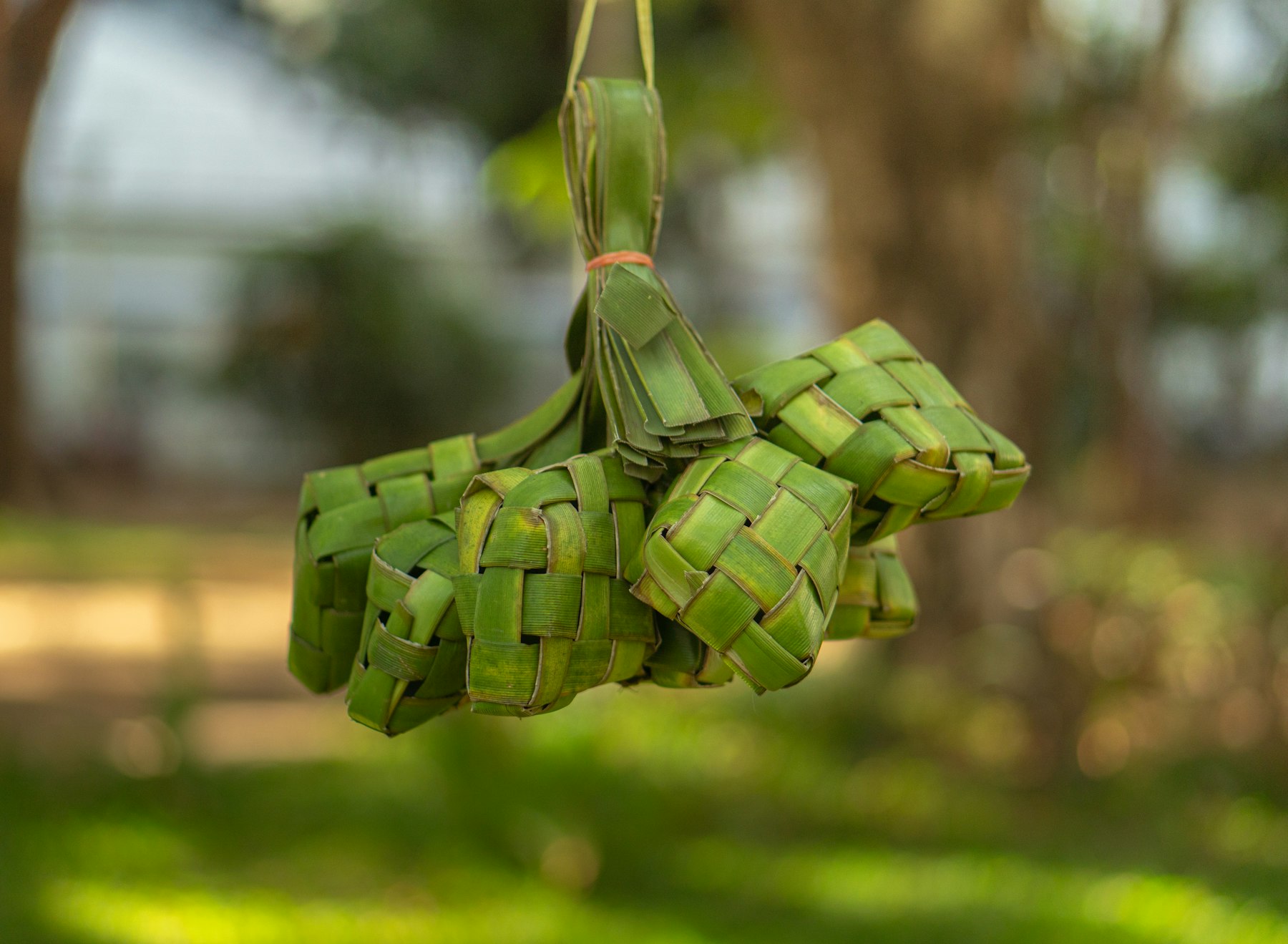
Photo: Defrino Maasy / Unsplash
At the end of Ramadan; the date moves with the Islamic calendar
Homes, mosques and hometowns across Indonesia, the country with the world’s largest Muslim population.
Join prayers, visit family and neighbours, ask forgiveness and share dishes such as ketupat.
Selamat Idul Fitri, mohon maaf lahir dan batin: Happy Eid, please forgive my wrongdoings
Idul Fitri, also written Idulfitri and known in Indonesia as Lebaran, marks the end of Ramadan, the month in which Muslims fast from dawn to sunset. It is a time of gratitude and renewal, and above all of forgiveness. People greet one another with mohon maaf lahir dan batin, asking to be forgiven for any wrongs, seen or unseen. Indonesia is home to people of many faiths, so Lebaran is celebrated by Muslim families, while friends and neighbours of other religions often join visits and meals.
In the days before, millions of people travel back to their hometowns, a tradition known as mudik or pulang kampung; roads, ports and trains are extremely busy. On the night before Eid, called takbiran, mosques and processions fill the air with the takbir and the beat of bedug drums. In the morning, families attend Eid prayers in mosques or open fields, then visit parents, grandparents and neighbours. In Java, many people perform sungkem, kneeling before elders to ask for their blessing. Tables fill with ketupat, rice cooked in woven palm-leaf pouches, served with savoury dishes and plenty of biscuits and cakes.
Visits continue for days, and many workplaces later hold a halal bihalal gathering to share forgiveness among colleagues. Customs vary between regions, communities and families.
Learn about Lebaran together:
Coming soon to the App Store.
If Muslim friends invite you to their home during Lebaran, a small gift such as biscuits or fruit is welcome. Dress modestly, remove your shoes if others do, and accept food and drink offered to you. Travel around Lebaran is very busy, so book well ahead or avoid long journeys in the days before and after Eid.
Lebaran is the everyday Indonesian name for Idul Fitri, the festival that ends Ramadan. It is a national public holiday, usually extended by additional days of leave.
Mudik is the journey home to celebrate with family. Millions of people travel at the same time, so roads, airports, ports and trains are extremely busy.
Yes, as guests. Friends, colleagues and neighbours of other faiths are often welcomed for visits and meals. Be respectful and follow your hosts’ lead.