National observance
On 21 June, the summer solstice, Canada recognises and celebrates the histories, cultures and contributions of First Nations, Inuit and Métis peoples, with Indigenous-led events from coast to coast to coast.
National Indigenous Peoples Day takes place every 21 June and honours First Nations, Inuit and Métis peoples and what they contribute to Canadian life. It was first proclaimed in 1996 as National Aboriginal Day and has carried its present name since 2017. The date is the summer solstice, which many Indigenous communities have long marked. Events are led by Indigenous communities and organisations, from ceremonies and concerts to storytelling and food. Only the Northwest Territories and Yukon treat it as a statutory holiday; elsewhere it is a regular working day, though many events take place. Outside Canada, readers should note that the three groups are distinct peoples with their own languages and traditions.
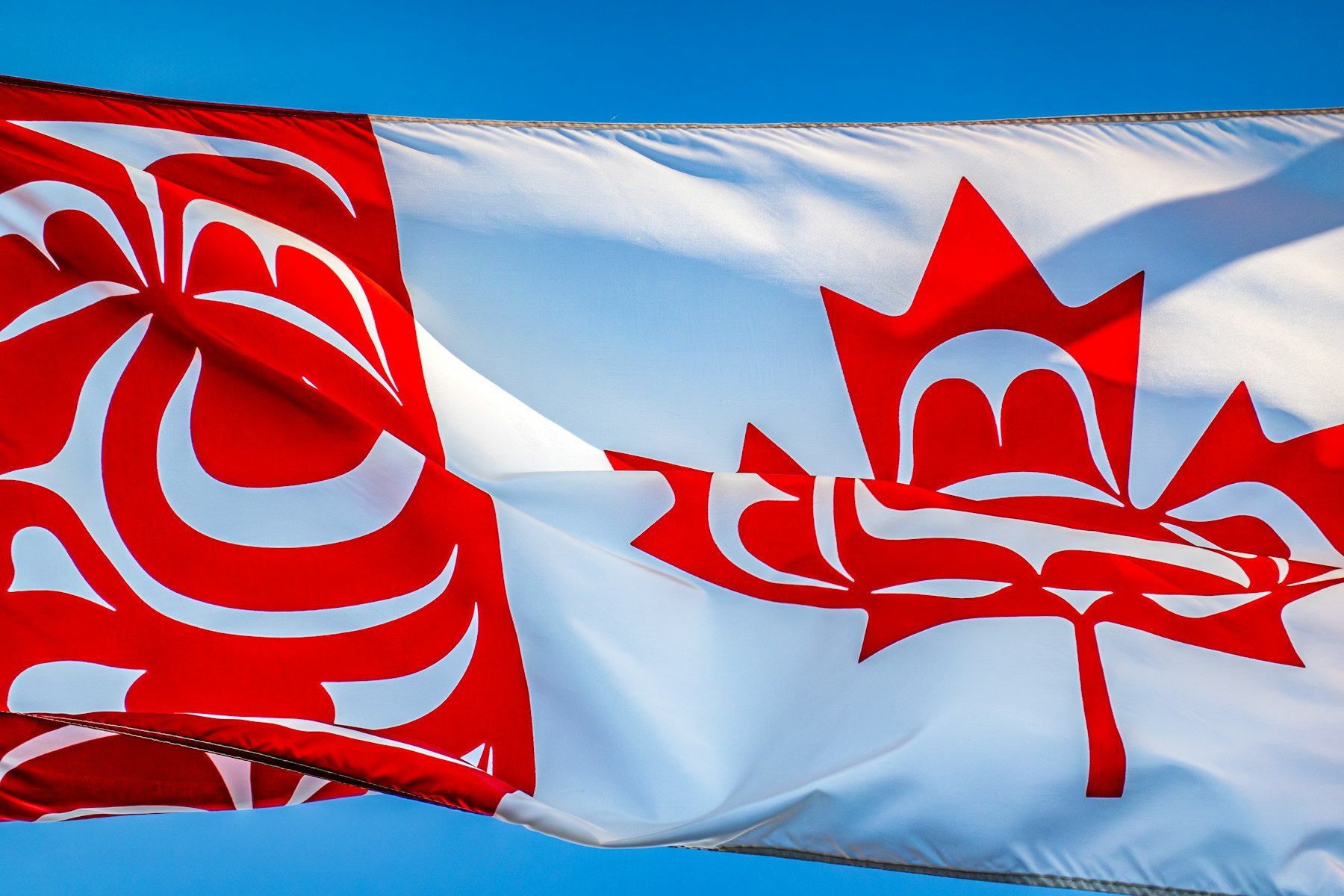
Photo: chris robert / Unsplash
21 June, the summer solstice
Across Canada, at Indigenous-led community events, cultural centres, schools and public spaces.
Attend an Indigenous-led event, enjoy music, dance, art and food, and learn about the lands you live on.
National Indigenous Peoples Day: in French, Journée nationale des peuples autochtones
National Indigenous Peoples Day recognises and celebrates the cultures and contributions of First Nations, Inuit and Métis, the three Indigenous Peoples recognised in Canada’s constitution. Each has its own heritage, languages, cultural practices and spiritual beliefs. The day was first celebrated in 1996, when it was proclaimed as National Aboriginal Day, following years of calls from Indigenous leaders and organisations. The name National Indigenous Peoples Day has been used by the federal government since 2017. The date, 21 June, was chosen with national Indigenous organisations because it is the summer solstice, the longest day of the year, a time when many Indigenous peoples and communities have long celebrated their culture and heritage. June is also National Indigenous History Month.
Indigenous communities and organisations across the country host events, and everyone is invited to take part. Celebrations can include ceremony, storytelling, singers and dancers, art and craft displays, traditional and contemporary games such as lacrosse, and Indigenous food. Many schools and workplaces learn about local Indigenous history and languages, invite Elders or guest speakers and visit significant local sites. Television broadcasts an annual cultural gala, Indigenous Day Live. The day is a statutory holiday in the Northwest Territories and Yukon, but not in the rest of Canada. Because there are many distinct nations and communities, events and protocols vary from place to place.
For many families, it is a chance to deepen their understanding of the lands they live on and the peoples who have called them home since time immemorial.
Learn on National Indigenous Peoples Day:
On the App Store now. Coming soon on Google Play.
Visitors are welcome at many public events. Follow the guidance of the hosts, listen respectfully, and ask before photographing people or ceremonies. Buying from Indigenous artists and businesses is a good way to support communities.
Prepared with AI assistance and reviewed by the Culture XI Editorial Team.
Written by
Culture XI Editorial TeamThe Culture XI Editorial Team researches and writes our guides to cultures, celebrations, weddings and cultural intelligence. Each article draws on published research and reputable sources, which we cite on the page. We update articles when we find newer or better sources.
It is the summer solstice, a time when many Indigenous peoples have long celebrated their culture and heritage.
First Nations, Inuit and Métis, the three Indigenous Peoples recognised in Canada’s constitution.
It is a statutory holiday in the Northwest Territories and Yukon, but not elsewhere in Canada.
Attend events that are open to the public and led by Indigenous communities, listen more than you speak, learn whose traditional territory you are on, and support Indigenous-owned businesses and artists.