National day
On 1 July, Canadians mark the anniversary of Confederation in 1867 with parades, festivals, barbecues, concerts and fireworks, and new citizens take their oath at citizenship ceremonies.
Canada Day, on 1 July, is Canada’s national day and marks Confederation in 1867, when the Province of Canada (now Ontario and Quebec), Nova Scotia and New Brunswick united as a single dominion. It was called Dominion Day until 1982. The day is a public holiday with parades, concerts, fireworks and citizenship ceremonies, and the main event takes place in Ottawa. It is also a day on which many Canadians reflect on the country’s history, including the experiences of Indigenous peoples. For people moving to Quebec, 1 July is traditionally also the day many leases end and households move.
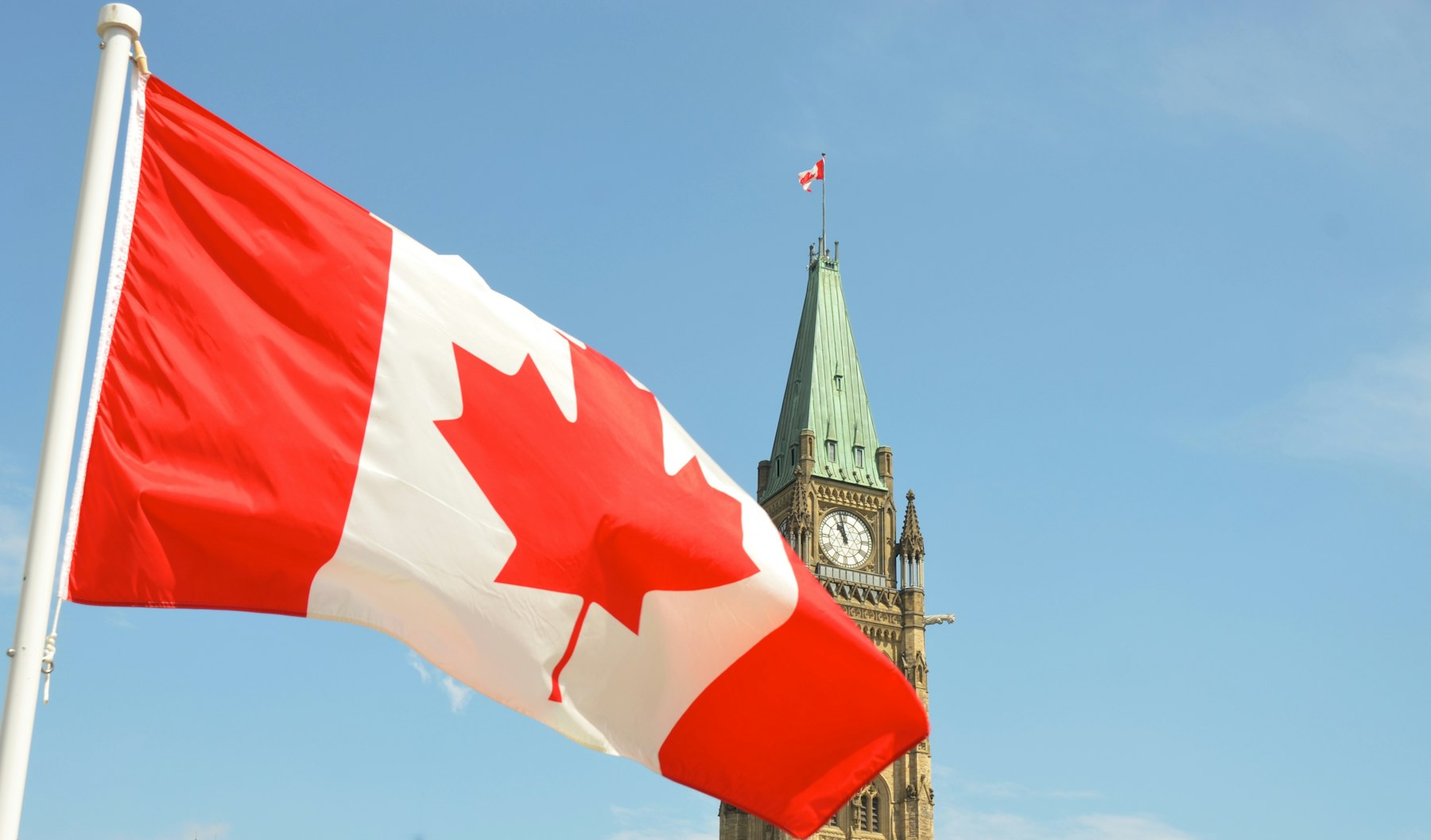
Photo: Jason Hafso / Unsplash
1 July every year
Across Canada, from Parliament Hill in Ottawa to parks and town squares in every province and territory.
Watch a parade or concert, have a barbecue or picnic and see the fireworks.
Happy Canada Day!: or Bonne fête du Canada! in French
Canada Day is the national day of Canada. It marks the anniversary of Confederation on 1 July 1867, when the Province of Canada (today Ontario and Quebec), Nova Scotia and New Brunswick united as a single dominion within the British Empire called Canada. The holiday was first known as Dominion Day and was renamed Canada Day in 1982, the same year Canada’s constitution was patriated. Canada gained full independence step by step, so many people describe 1 July as “Canada’s birthday”, although it marks one milestone among several.
There is no single way to celebrate. Most communities hold outdoor events such as parades, festivals, carnivals, barbecues, air and boat shows, free concerts and fireworks, and many new Canadians become citizens at special citizenship ceremonies on the day. In Ottawa, the capital, concerts and cultural displays take place with a midday show and an evening programme, opening with the national anthem, “O Canada”, sung in English and French, and a flypast by the Snowbirds aerobatic team. Provincial capitals hold their own official celebrations. People often dress in red and white and wave the maple leaf flag.
Canada Day means different things to different people. In Newfoundland and Labrador, 1 July is also Memorial Day, remembering the heavy losses of the Newfoundland Regiment at the Battle of the Somme in 1916. Some Indigenous people view the day critically because of the injustices they have faced, and in recent years many communities have added moments of reflection. In Quebec, 1 July is also the traditional moving day for many renters. Celebrations vary between regions and families.
Celebrate Canada Day at home:
On the App Store now. Coming soon on Google Play.
Canada Day is a statutory holiday; if 1 July falls on a Sunday, the holiday moves to 2 July, though events usually still happen on 1 July. Expect crowds and road closures in city centres, and arrive early for fireworks.
Prepared with AI assistance and reviewed by the Culture XI Editorial Team.
Written by
Culture XI Editorial TeamThe Culture XI Editorial Team researches and writes our guides to cultures, celebrations, weddings and cultural intelligence. Each article draws on published research and reputable sources, which we cite on the page. We update articles when we find newer or better sources.
It marks Confederation on 1 July 1867, when three British colonies united to form Canada.
Dominion Day. It was renamed Canada Day in 1982.
With parades, festivals, barbecues, concerts, citizenship ceremonies and fireworks, often wearing red and white.
Many residential leases in Quebec traditionally run from 1 July to 30 June, so tenants often change homes around Canada Day. The custom is sometimes called Moving Day.