National observance
Each July, NAIDOC Week celebrates the history, cultures and achievements of Aboriginal and Torres Strait Islander peoples, with events in schools, workplaces and communities across Australia.
NAIDOC Week is a week of events held across Australia each July to recognise the history, culture and achievements of Aboriginal and Torres Strait Islander peoples. It begins on the first Sunday of the month and carries a new national theme every year. The name is an acronym for a committee, the National Aborigines and Islanders Day Observance Committee, and the observance grew out of the 1938 Day of Mourning protests. Programmes are led by local communities and include ceremonies, art exhibitions, gatherings and activities at schools and workplaces. NAIDOC Week is not a public holiday.
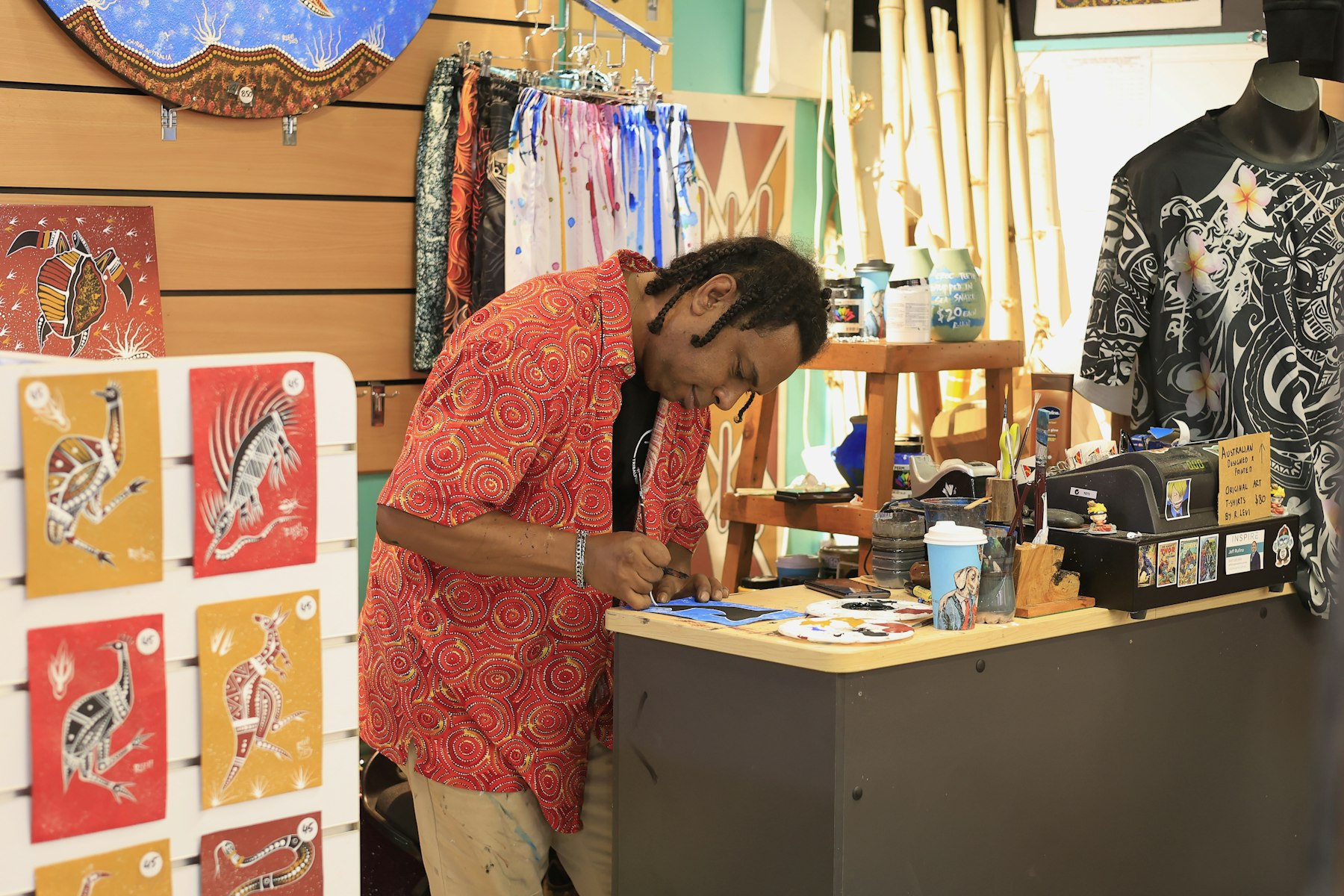
Photo: David Clode / Unsplash
From the first Sunday in July, for one week
Across Australia, from major cities to communities such as Alice Springs.
Join community events, learn from First Nations speakers, artists and performers, and listen and reflect.
NAIDOC: National Aborigines and Islanders Day Observance Committee
NAIDOC Week celebrates the history, cultures and achievements of Aboriginal and Torres Strait Islander peoples, the First Peoples of Australia. Its roots go back to the Day of Mourning in 1938, organised by Aboriginal leaders to draw attention to the treatment of Aboriginal people and to call for justice. Over the following decades this grew into a day of observance and, in 1975, became a week-long event. The name comes from the National Aborigines and Islanders Day Observance Committee.
NAIDOC Week runs from the first Sunday in July to the following Sunday. It is observed by Aboriginal and Torres Strait Islander communities and also by schools, local councils, government agencies and workplaces. Activities include cultural and educational events, performances, art, music and public displays, and major celebrations take place in cities and in larger communities such as Alice Springs, Hermannsburg, Shepparton and Mildura. Television stations broadcast special programmes during the week. The National NAIDOC Awards Ceremony and Ball, held in a different host city each year, closes the week with Indigenous food and live music. There is no national public holiday during NAIDOC Week. Aboriginal and Torres Strait Islander peoples are many distinct nations with their own languages, laws and customs, so events and protocols vary from place to place.
For many families, NAIDOC Week is a chance to learn about the cultures of the land they live on and to listen to First Nations voices.
Learn during NAIDOC Week:
On the App Store now. Coming soon on Google Play.
NAIDOC events are led by Aboriginal and Torres Strait Islander communities, and visitors are usually welcome. Follow the guidance of the hosts, listen respectfully and ask before taking photos of people or ceremonies. Some cultural content may only be shared in certain settings.
Prepared with AI assistance and reviewed by the Culture XI Editorial Team.
Written by
Culture XI Editorial TeamThe Culture XI Editorial Team researches and writes our guides to cultures, celebrations, weddings and cultural intelligence. Each article draws on published research and reputable sources, which we cite on the page. We update articles when we find newer or better sources.
National Aborigines and Islanders Day Observance Committee.
From the first Sunday in July until the following Sunday.
No. There is no national public holiday, but events take place across the country all week.
Everyone is welcome at public NAIDOC events. Many are open to the wider community, while some ceremonies are for community members only, so check each event’s details and follow the organisers’ guidance.